Für eine schnellere Antwort geben Sie bitte Ihre WhatsApp- oder Skype-Nummer in Ihre Nachricht ein, damit wir Sie so schnell wie möglich kontaktieren können.
Um uns eine schnellere Antwort zu ermöglichen, hinterlassen Sie bitte Ihre WhatsApp-Nummer, E-Mail oder Projektdetails. Wir antworten normalerweise innerhalb von 24 Stunden. Bei dringenden Anfragen kontaktieren Sie uns über WhatsApp: +8617862411260 oder WeChat: +8617862411260. Rufen Sie uns direkt an.
Dust may seem like a small problem at first. Then dust levels rise, machines get dirty, workers complain, filters clog, and compliance risk grows. The good news is simple: with the right dust control plan, factories can reduce dust, protect people, and keep production stable.
The best method of industrial dust control for factories is usually a source-capture industrial dust collection system supported by enclosure, airflow design, dust suppression systems, housekeeping, and safety monitoring. No single method works for every plant. The right dust solution depends on the dust type, process, airflow, explosion risk, local rules, and long-term operating cost.
The importance of dust is easy to ignore until it becomes visible. In many factories, dust comes from cutting, grinding, sanding, mixing, conveying, crushing, polishing, welding, packaging, or material handling. At first, the amount of dust may look normal. Over time, dust accumulation can affect air quality, equipment life, worker comfort, and site safety.
Fine dust and airborne dust particles are especially important because workers can breathe them in. Some dust poses significant health risks, especially when the dust particles are small enough to enter the lungs. Dust exposure may lead to coughing, irritation, long-term respiratory issues, or worse, depending on the material. OSHA and other safety bodies often require companies to assess exposure and use proper controls.
Dust can lead to more than health problems. It can damage motors, sensors, cabinets, bearings, ducts, filters, and electrical systems. Abrasive dust increases wear and tear on equipment. Collected dust may also become a disposal issue. In short, effective dust control protects people, machines, production, and brand reputation.
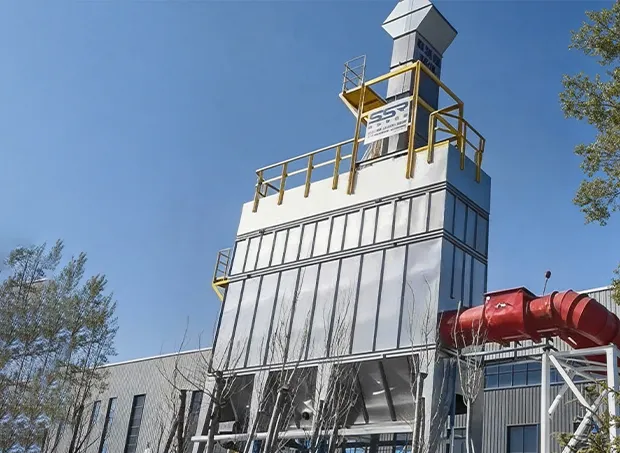
For most factories, the best dust control methods combine source capture, filtration, safe discharge, and smart monitoring. The goal is not only removing dust from the room. The goal is to capture dust close to where it is created before it spreads.
A good dust collection system captures airborne dust particles through hoods, ducts, fans, filters, and discharge devices. It pulls dust away from the process, filters the air, and collects dust in bins, bags, cartridges, or other containers. This is often more reliable than only using general ventilation.
Staubkontrolle should also follow a layered approach:
This is why effective industrial dust collection is usually the core method for medium- and large-scale factories.
Dust suppression systems use water, mist, foam, chemical additives, or other methods to reduce airborne dust. They are common in mining, quarrying, material transfer, demolition, outdoor stockpiles, and some bulk handling processes.
Dust suppression can work well when the material can tolerate moisture. For example, water mist may help control dust on a construction project or reduce dust on a construction site when cutting concrete. The same idea may apply to outdoor loading points or raw material handling. OSHA’s silica guidance also recognizes wet methods and dust collection as control options for certain tasks.
However, dust suppression systems are not always the best choice for factories. If your process involves dry powder, electronics, food, chemicals, coating lines, or metal dust, adding moisture may cause product defects, corrosion, clogging, or quality problems. In those cases, dust extraction and filtration are often safer and cleaner.
A simple rule helps: use suppression when moisture is acceptable; use industrial dust collection when you need dry capture, clean air, and stable indoor control.
Combustible dust is one of the most serious factory risks. Wood dust, aluminum dust, flour, sugar, plastic powder, coal, biomass, and some chemical dust can burn or explode when fine particles become suspended in air and meet an ignition source.
OSHA warns that combustible dust explosions can happen in many industries. Many buyers call this a combustive dust explosion, but the more common safety term is combustible dust explosion. Either way, the risk is real.
Good dust control measures for combustible dust include:
A robust dust safety design is not just about the dust collector. It is about the full system: hood, duct, fan, filter, bin, valves, control system, and emergency response. That is why combustible dust hazards should be reviewed early in the project, not after equipment arrives.
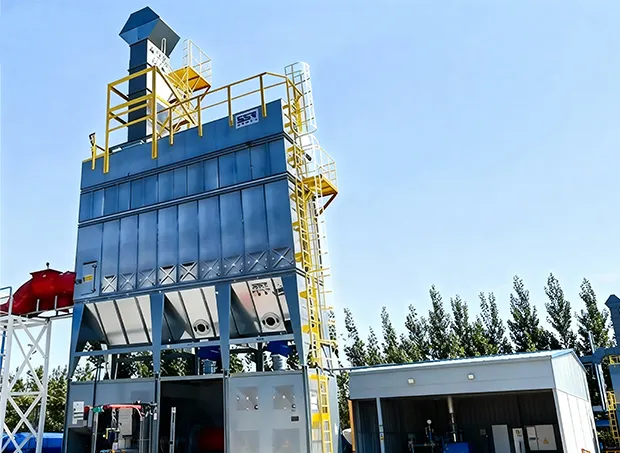
Dust control methods for warehouses are often different from dust control for production lines. Warehouses may have forklift traffic, packaging dust, cardboard dust, material transfer dust, and dust and debris from loading areas. Large workshops may also have open doors, high ceilings, and moving workstations.
Best practices include:
Separate dusty zones from clean zones.
A dust wall, process enclosure, soft curtain, or physical barrier can help keep dust from spreading. Products such as akon’s industrial dust control curtains show how containment can support
cleaner work zones, although factories still need proper airflow and collection design.
Use source capture where dust is created.
General fans may move dust around. Source capture removes it earlier.
Avoid dry sweeping.
Use industrial vacuums or controlled cleaning methods for removing dust.
Use planned housekeeping.
Less dust on floors and beams means less dust becomes airborne again.
Monitor filter pressure and airflow.
If airflow drops, dust capture drops too.
Effective dust control in warehouses is about simple discipline plus the right equipment. Keep dust from spreading. Keep dust from settling. Keep dust from returning to the air.
Energy cost is a major concern for overseas buyers. A dust collection system may run many hours each day, so fan power, compressed air use, filter life, and maintenance time all matter.
A smart control system can reduce waste by adjusting operation based on demand. For example, variable frequency drives can adjust fan speed when only some production lines are running. Differential pressure sensors can show when filters need cleaning or replacement. Temperature sensors, spark detection, and alarm functions can improve safety.
Smart monitoring also helps with maintenance. Instead of waiting until dust emissions rise or filters fail, plant teams can act early. This means fewer shutdowns, cleaner air quality, and better cost control.
Bei Senserui China, we often recommend modular control panels for factories that plan to expand. The system can start with one production line and later connect more collection points, more dust collectors, or VOCs treatment equipment. This is useful for contractors, system integrators, and international distributors who need flexible project delivery.
Senserui China is an industrial dust collection and VOCs treatment manufacturer from China. We serve overseas factories, engineering contractors, system integrators, and distributors that need more than a simple machine shipment. They need engineering support, safety thinking, modular design, stable performance, and long-term service.
Our work focuses on:
We understand what international buyers care about: compliance, safety, energy efficiency, cost, documentation, and after-sales support. A reliable dust system is not only a purchase. It is part of the factory’s environmental and production strategy.
If you are choosing the best dust control method, do not start with a product catalog. Start with your process.
Ask these questions first:
Once these answers are clear, choosing the right dust equipment becomes much easier. You can compare cartridge collectors, baghouses, cyclones, wet scrubbers, dust suppression, and hybrid systems with confidence.
For many factories, the best solution is a customized industrial dust collection system with source capture, correct filtration, safe dust discharge, and smart control. That is where Senserui China can support your project from concept to delivery.
If your factory, engineering project, or distribution business needs reliable dust control, Senserui China can help design a practical system for your application.
The best method is usually source capture with an industrial dust collection system. This means collecting dust near the machine or process before it spreads through the workshop. For some applications, dust suppression, enclosure, and housekeeping should also be added.
It depends on the process. A dust collector is better for dry indoor factory processes, fine dust, metalworking, woodworking, and quality-sensitive production. Dust suppression systems are better for outdoor areas, bulk materials, and processes where water or mist will not damage the product.
Combustible dust can ignite when fine particles are suspended in air and exposed to a spark, flame, hot surface, or static discharge. Combustible dust explosions can damage equipment, injure workers, and stop production. Testing and proper system design are important.
Maintenance depends on dust load, operating hours, filter type, and process conditions. Many factories check pressure readings daily or weekly, inspect filters regularly, clean dust bins on schedule, and review ducts, fans, valves, and safety devices during planned maintenance.
Yes. A central dust collection system can serve multiple machines or workstations if the airflow, duct layout, pressure loss, and capture points are correctly designed. This is common in medium- and large-scale factories.
A manufacturer with engineering capability can help calculate airflow, design ductwork, select filters, consider explosion protection, build custom equipment, and support long-term operation. For overseas buyers, this is often more valuable than buying a standard machine from a trader.