Để có phản hồi nhanh hơn, xin vui lòng bao gồm số WhatsApp hoặc Skype của bạn trong tin nhắn của bạn để chúng tôi có thể liên lạc với bạn càng sớm càng tốt.
Để giúp chúng tôi phản hồi nhanh hơn, xin vui lòng để lại WhatsApp, email hoặc chi tiết dự án của bạn. Chúng tôi thường phản hồi trong vòng 24 giờ. Đối với các yêu cầu khẩn cấp, liên hệ với chúng tôi qua WhatsApp: +8617862411260 hoặc WeChat: +8617862411260. gọi cho chúng tôi trực tiếp.
Dust may seem like a small problem, but in a busy factory, it can hurt workers, damage machines, raise fire risk, and make compliance harder. When dust levels rise, the real solution is not one tool. It is a planned industrial dust control system.
The best method of industrial dust control is to capture dust at the source, move it through well-designed ductwork, filter it with a suitable dust collector, and manage the collected dust safely. For factories, centralized dust collection with smart controls is usually more reliable than simple dust suppression alone.
Industrial dust control means using planned control measures to reduce, capture, filter, and safely handle dust particles created during production. In simple words, it helps keep dust out of the air, away from workers, and away from machines. It is not only about cleaning the floor after work. It is about stopping airborne dust before it spreads.
In factories, dust control often includes source capture hoods, ductwork, a dust collector, fans, filter cartridges or filter bags, discharge devices, monitoring sensors, and a control cabinet. These parts work together as one system. A good system does not just remove dust from one machine. It supports the whole production area.
For Senserui China, dust control is usually designed around real workshop conditions. That means we first look at the dust sources, dust type, airflow demand, equipment layout, production rhythm, and safety needs. Then we recommend the right dust collection or VOCs treatment solution.
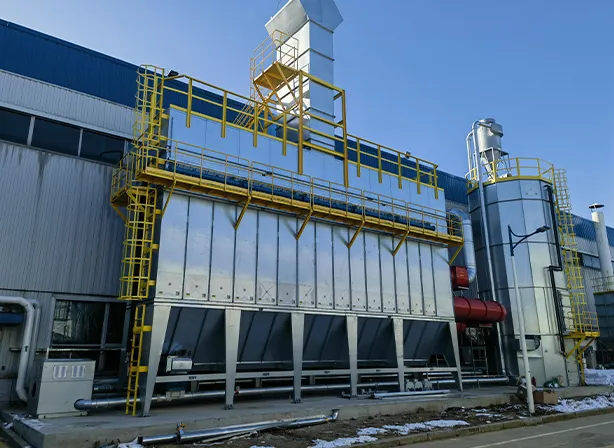
Industrial dust is one of those problems that looks simple from far away. But close up, it can affect almost everything in a plant. Fine dust particles may float in the air for a long time. They can enter breathing zones, settle on machines, block sensors, reduce product quality, and create housekeeping pressure.
High dust levels can also create health risks. Workers may face dust exposure from cutting, grinding, sanding, mixing, conveying, polishing, or powder handling. Some airborne dust particles are just annoying. Others may be toxic, irritating, combustible, or linked to long-term breathing problems. That is why air quality is part of serious factory management.
Dust emissions can also affect compliance. Many overseas factories need to show that their process air is controlled and that dust levels are kept within local limits. For B2B buyers, dust control is not just an equipment purchase. It is a way to protect workers, protect production, and protect the business.
The best dust control method for most factories is source capture plus centralized dust collection. This means you capture dust where it is generated, move it through ductwork, filter it in a suitable dust collector, and discharge the collected dust in a safe way. This method is more stable than waiting for dust to spread and then trying to clean it.
A strong industrial dust control method often follows this order:
This is why centralized dust collection is often one of the best dust control methods for industrial plants. It can serve several workstations, reduce manual cleaning, support stable air quality, and make maintenance easier. In large workshops, it can also lower long-term operating cost when designed with demand-based fan control.
Dust collection systems remove dust from the air by pulling dusty air into a controlled airflow path. First, capture hoods or equipment ports collect airborne dust near the process. Then fans create suction and move the air through ducts. The dusty air enters a dust collector, where filter bags or filter cartridges separate dust particles from clean air.
A modern dust collector may include pulse-jet cleaning. This helps clean the filters automatically when dust accumulation increases pressure drop. The dust falls into a hopper, bin, or silo. The cleaned air is discharged or, when allowed by the application and local rules, returned to the indoor workshop.
For factories with high dust levels, collection systems must be sized carefully. Air volume, duct velocity, filter area, dust load, dust type, and working hours all matter. If the airflow is too weak, the system will not capture dust. If it is too strong, energy cost can rise. Good design finds the practical balance.
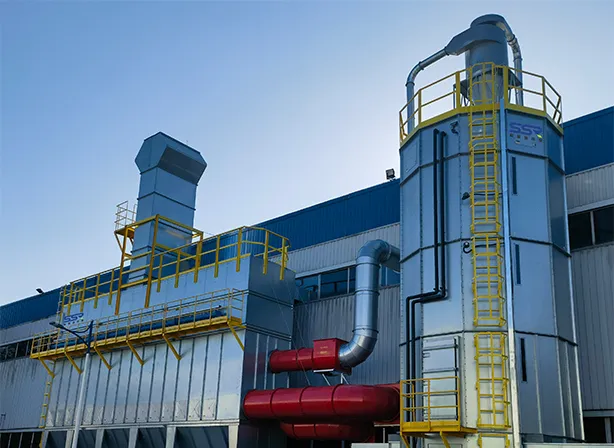
A dust suppression system is useful when you need to make dust heavier so it falls down instead of floating. Many dust suppression systems use water, mist, foam, or chemical dust control agents. A mist system can be helpful for outdoor yards, bulk material transfer, roads, stockpiles, and some construction sites.
But a dust suppression system is not always the best answer for indoor factories. Mist can add moisture. This may affect powder quality, metal parts, filters, electrical equipment, or finished products. In some plants, water may also create sludge instead of solving the root problem.
So, the choice is simple: use suppression when the goal is to keep dust to the ground in open or rough environments. Use dust collection when the goal is to remove dust from the air in a controlled industrial workspace. For many factories, the best answer may combine both methods, but dust collection usually plays the main role indoors.
Construction sites often use water suppression, on-tool extraction, barriers, housekeeping, and ventilation to control dust. These dust control measures are common during cutting, drilling, demolition, sweeping, and material movement. For example, demolition can generate dust and debris quickly, so water, extraction tools, and planned cleaning help reduce dust.
However, there is a difference between dust on a construction site and dust in a fixed industrial plant. If you need to control dust on a construction project, mobile systems and temporary controls may work. If you need to control dust on a construction-related production line, such as cement, concrete, minerals, boards, prefabricated parts, or building materials, you usually need a more permanent system.
For these plants, Senserui would normally look at crushers, mixers, transfer points, silos, cutting stations, bagging areas, and loading points. These areas often create fugitive dust. A centralized dust collector with proper hoods, ducts, discharge devices, and safety controls can prevent dust from moving across the workshop.
Choosing the right dust collector starts with the dust itself. Is it fine dust, fibrous dust, metal dust, chemical dust, sticky dust, hot dust, or combustible dust? The answer changes the filter type, airflow design, cleaning method, explosion protection, and maintenance plan.
You should also check the amount of dust, working hours, number of dust sources, duct distance, and available space. For high dust levels, a small stand-alone collector may not be enough. You may need a central dust control mainframe with larger filter area, stronger fan modules, automatic cleaning, and safe discharge.
Kiểm soát bụi methods for warehouses depend on the source of dust. Some warehouses mainly deal with packaging dust, forklift traffic, open doors, loading areas, or powder storage. Others are connected to production lines and face more serious industrial dust.
For light warehouse dust, good housekeeping, floor cleaning, sealed storage, traffic control, and ventilation may be enough. For higher dust levels, especially in bulk powder, cement, food, plastic, textile, or battery material warehouses, indoor dust control may need local capture points and a dust collector.
The goal is to prevent dust accumulation. Dust on beams, shelves, floors, equipment tops, and electrical cabinets can create safety and maintenance issues. Less dust means cleaner products, fewer complaints, better visibility, and a safer work area. For B2B buyers, that matters every day.
Dust hazards become more serious when the dust can burn. Many materials may become explosive when they are dry, fine, suspended in air, and exposed to an ignition source. Wood, flour, sugar, plastic, metal, rubber, pharmaceutical powders, coal, and some chemical powders can all create danger in the wrong conditions.
Combustible dust explosions are not only caused by “dirty factories.” They can happen when dust is allowed to gather, become airborne, and meet a spark, hot surface, static discharge, or other ignition source. A combustive dust explosion can damage equipment, stop production, injure workers, and destroy buildings.
Factories should use layered control options:
In simple terms: dust isn’t just dirt. In some industries, it is a hazard.
A dust control plan should explain where dust comes from, how much dust is produced, how the dust moves, and what controls will be used. It should also show who checks the system, how often filters are replaced, and how workers respond when dust levels rise.
A useful plan should include:
This plan turns dust control from a one-time purchase into a long-term operating system.
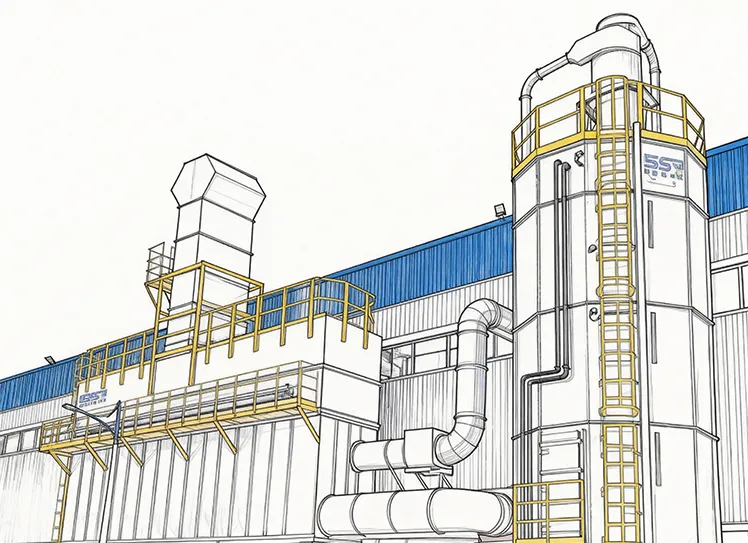
The cost of industrial dust control depends on dust type, airflow, number of dust sources, filtration level, duct length, safety devices, automation, installation complexity, and local compliance needs. A small single-machine dust collector costs far less than a whole-plant centralized system.
For example, a simple dust wall or local extractor may be enough for one small process. But a large plant with high dust levels, multiple production lines, long ductwork, explosion protection, smart control systems, and remote monitoring will need a larger investment.
The better question is not “What is the cheapest system?” The better question is: Which system gives reliable dust control at the lowest lifecycle cost? A low-price system may use more energy, clog faster, require more manual cleaning, or fail to meet emission targets. That becomes expensive later.
A metal grinding workshop had visible airborne dust around several manual grinding stations. Workers cleaned the floor every day, but dust returned within hours. The plant also had dust accumulation on nearby equipment, lighting, and electrical cabinets. The old small collectors did not match the real airflow demand.
The better solution was a centralized dust collection system. Each grinding station needed source capture. The ductwork had to keep enough velocity to move the particles. The dust collector needed suitable filter cartridges, pulse cleaning, and easy maintenance access. Because metal dust may create fire and explosion concerns in some cases, the safety design also needed careful review.
After the upgrade, the plant would expect less visible dust, cleaner air quality, better housekeeping, and easier maintenance. More importantly, the factory would move from “cleaning dust after it spreads” to “capturing dust before it becomes a plant-wide problem.”
Senserui Trung Quốc is an industrial dust collection and VOCs treatment manufacturer. We support medium- to large-scale industrial manufacturers, engineering contractors, system integrators, distributors, and importers who need practical and reliable environmental systems.
Our work starts with real project data. We ask about dust type, air volume, emission points, workshop layout, operating hours, temperature, humidity, safety risks, and compliance targets. Then we design a solution that may include dust control mainframes, dust silos, exhaust gas treatment units, ducting, control cabinets, valves, sensors, monitoring devices, and customized components.
What makes Senserui suitable for B2B buyers?
For overseas buyers, the goal is not only to buy equipment. The goal is to build a safer, cleaner, more compliant, and more efficient production environment.
Before asking for a quotation, prepare these details:
With these details, Senserui can recommend a more accurate system, instead of giving a rough and risky guess.
The best method is usually to capture dust at the source and remove it with a properly designed dust collection system. For factories, centralized dust collection is often better than only using cleaning, fans, or mist because it controls airborne dust before it spreads.
Not always. A dust suppression system is useful for outdoor dust, roads, stockpiles, and some construction activities. A dust collector is usually better for indoor production lines because it captures, filters, and removes dust from the air.
Factories can reduce dust emissions by enclosing dust sources, using local capture hoods, installing ductwork, selecting the right dust collector, maintaining filters, and training workers. For high dust levels, smart control and continuous monitoring are also helpful.
Common equipment includes dust collectors, central dust control mainframes, fans, ducts, filter bags, filter cartridges, valves, explosion vents, sensors, dust silos, and control cabinets. Some projects may also use misting systems or VOCs treatment units.
Construction sites often use water suppression, on-tool extraction, ventilation, barriers, cleaning, and respiratory protection. For a fixed construction material plant, such as cement or concrete production, a permanent dust collection system is usually more suitable.
Combustible dust is dangerous because fine particles can burn rapidly when suspended in air. If the dust cloud meets an ignition source in a confined space, it may cause a fire or explosion. That is why dust collection, housekeeping, ignition control, and explosion protection are important.