Để có phản hồi nhanh hơn, xin vui lòng bao gồm số WhatsApp hoặc Skype của bạn trong tin nhắn của bạn để chúng tôi có thể liên lạc với bạn càng sớm càng tốt.
Để giúp chúng tôi phản hồi nhanh hơn, xin vui lòng để lại WhatsApp, email hoặc chi tiết dự án của bạn. Chúng tôi thường phản hồi trong vòng 24 giờ. Đối với các yêu cầu khẩn cấp, liên hệ với chúng tôi qua WhatsApp: +8617862411260 hoặc WeChat: +8617862411260. gọi cho chúng tôi trực tiếp.
Industrial production processes often generate large amounts of dust that affect air quality, equipment performance, and worker safety. The CZ Series Dust Control Mainframe provides an integrated dust control system designed for industrial dust collection, filtration, and centralized dust management.
This article explains how the CZ Series works, where it is used, how it improves dust control, and why factories choose customized dust collection solutions for applications such as cement plants, material handling, conveyors, and manufacturing facilities.
Dust is a common challenge in industrial environments. During crushing, grinding, conveying, mixing, and material handling processes, fine particles can become airborne and spread throughout production areas.
The CZ Series Dust Control Mainframe works by capturing dust through a designed extraction system and filtering contaminated air before releasing cleaner air back into the environment.
The basic working process includes:
| Step | Process |
| 1 | Dust is generated during production processes |
| 2 | Airflow captures airborne dust particles |
| 3 | Dust enters the dust collector through the inlet |
| 4 | The filter separates dust particles from airflow |
| 5 | Clean air is discharged after filtration |
The system combines:
Unlike simple dust suppression methods, a professional dust collection system removes dust from the air instead of only reducing visible dust.
For factories requiring reliable industrial dust control solutions, the CZ Series provides a complete approach to controlling dust at the source.
A modern dust collector must handle more than basic dust removal.
Industrial users need equipment that can operate continuously, maintain stable airflow, and reduce long-term operational costs.
The CZ Series Dust Control Mainframe is designed for:
A complete dust control system normally includes:
Senserui China focuses on providing customized industrial dust collection equipment for global customers, including manufacturers, engineering contractors, and system integrators.
Our solutions consider:
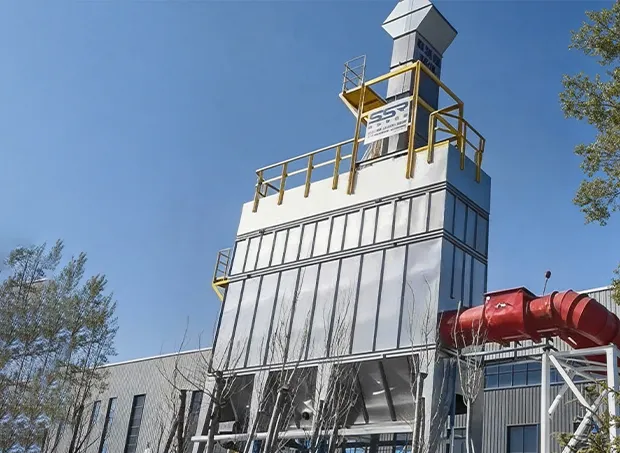
Industrial dust is not only a cleanliness issue.
Continuous dust exposure can affect:
Fine dust particles may remain airborne for long periods. In industries such as cement, metal processing, and mineral handling, dust exposure must be carefully controlled.
Effective dust control helps factories:
Some industrial dust types may include:
The nature of dust determines the correct collection method.
For example:
| Dust Type | Typical Application | Suitable Solution |
| Cement dust | Sản xuất xi măng | Baghouse filtration |
| Fine particulate | Manufacturing | Cartridge filtration |
| Abrasive dust | Grinding | Industrial extraction |
| Conveyor dust | Bulk material handling | Dust collection system |
| Combustible dust | Special industrial processes | Safety-focused design |
A professional dust collector should be selected according to particle size, dust loading, and production conditions.
A well-designed dust collection system captures dust before it spreads throughout the factory.
The CZ Series uses controlled airflow to move contaminated air into the filtration chamber.
Important components include:
The inlet design controls how dust enters the system.
Proper airflow prevents dust from escaping and improves collection efficiency.
The filter is the heart of the filtration process.
Depending on application requirements, systems may use:
During operation, dust gradually builds on the filter surface.
The CZ Series can use pulse cleaning technology.
Compressed air pulses remove accumulated dust from the filter surface, helping maintain airflow performance.
This cleaning method improves:
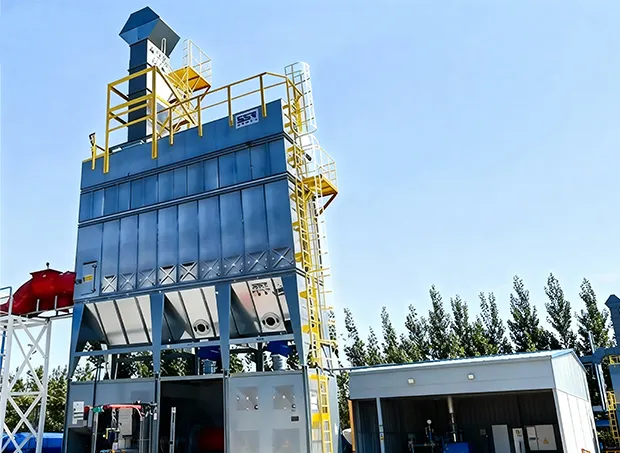
The CZ Series Dust Control Mainframe can be applied in various industrial sectors.
Cement production creates significant amounts of cement dust during:
A dust collection system helps control cement dust emissions and maintain cleaner production conditions.
Material transfer points often create airborne dust.
Dust control for conveyors typically requires:
The CZ Series helps capture dust generated during material transportation.
Many manufacturing processes generate industrial dust.
Applications include:
A centralized industrial dust collection system reduces dust accumulation and improves operational efficiency.
The filtration system determines the actual performance of an industrial dust collector. A powerful blower alone cannot provide effective dust control if the filter cannot separate dust particles efficiently.
The CZ Series Dust Control Mainframe uses professional filtration technology to capture industrial dust, fine particulate matter, and airborne contaminants generated during production processes.
The filtration process follows a simple principle:
This process creates a cleaner production environment while reducing dust accumulation around machinery.
For different industrial applications, the CZ Series can be configured with suitable filtration methods, including:
Different production processes generate different types of dust.
A cement plant, for example, produces large amounts of cement dust, while metal processing may generate fine abrasive particles.
Therefore, choosing the correct filter type is essential.
A baghouse system is widely used in industries requiring continuous heavy-duty dust collection.
Typical applications include:
Baghouse filtration uses multiple filter bags to capture dust from airflow.
Advantages include:
Cartridge filters provide a compact solution for fine dust filtration.
They are commonly used where:
The CZ Series can integrate cartridge filtration solutions depending on customer requirements.
For example, applications involving fine particulate or silica dust may require more precise filtration performance.
During operation, dust gradually accumulates on the filter surface.
Without a proper cleaning system, the filter pressure increases, airflow decreases, and the dust collector performance may decline.
The Dòng CZ can use pulse cleaning technology.
The pulse cleaning process works through:
This cleaning method helps maintain:
A pulse cleaning system is especially valuable in industrial environments where the dust collector operates continuously.
The automatic cleaning function reduces manual maintenance requirements and improves operational reliability.
Many factories consider dust suppression when dealing with industrial dust problems.
However, dust control and dust suppression solve different problems.
Dust suppression reduces dust generation or prevents dust from becoming airborne.
Common suppression techniques include:
These methods are often used in:
Dust collection removes dust from the air through:
A dust collection system is more suitable for indoor manufacturing environments where clean air is required.
Comparison:
| Method | Main Function | Typical Application |
| Dust suppression | Reduce dust generation | Outdoor areas, conveyors |
| Dust collection | Remove airborne dust | Factories, workshops |
| Local exhaust ventilation | Capture dust at source | Industrial workstations |
For manufacturing facilities, combining dust suppression and dust collection can provide better overall dust management.
Conveyor systems are common dust sources in industrial facilities.
During material transfer, falling materials create turbulence that releases airborne dust.
Typical dust generation points include:
Effective conveyor dust control usually requires:
The CZ Series can be integrated with conveyor dust extraction systems to capture dust near the generation point.
A properly designed extraction system prevents dust from spreading into surrounding production areas.
Important design factors include:
For bulk material handling industries, dust containment improves:
A complete industrial dust collection system includes multiple components working together.
The main components include:
| Component | Chức Năng |
| Dust hood | Captures dust near source |
| Ductwork | Transfers contaminated air |
| Dust collector | Filters dust from airflow |
| Filter system | Removes particulate |
| Blower | Provides airflow |
| Hopper | Collects removed dust |
| Valve | Controls discharge |
| Control system | Automates operation |
The CZ Series can be customized according to production requirements.
A complete system may include:
This modular approach allows factories to build dust control solutions suitable for different production environments.
Senserui Trung Quốc specializes in industrial dust collection and VOCs treatment solutions.
We work with:
Our customers usually require more than standard equipment.
They need:
For each project, Senserui evaluates:
Understanding the nature of dust is the first step.
Factors include:
Different industries require different solutions.
Examples:
Engineering considerations include:
This approach helps customers achieve effective dust control while reducing unnecessary operational costs.
A professional dust collection system provides benefits beyond basic cleaning.
It helps factories achieve:
Better Air Quality
Removing airborne dust improves workplace conditions.
Reduced Equipment Wear
Dust accumulation can damage machinery and production equipment.
Improved Productivity
Cleaner environments support smoother production processes.
Better Regulatory Compliance
Many industries must meet occupational safety and environmental requirements.
A reliable dust collector supports factories in maintaining safer operations.
The Dòng CZ is suitable for industrial applications including cement, manufacturing, material handling, machinery processing, and other industries where dust generation occurs.
Dust suppression reduces the amount of dust becoming airborne, while dust collection captures and removes dust from the air through filtration.
Indoor manufacturing facilities usually require dust collection systems for better air quality control.
Yes. Cement production often generates significant cement dust. A properly configured dust collector with suitable filtration can effectively manage cement dust emissions.
Depending on the application, the system can use baghouse filters, cartridge filters, and other customized filtration solutions.
The correct filter depends on dust type, particle size, and production conditions.
Pulse cleaning uses compressed air pulses to remove accumulated dust from filter surfaces, helping maintain airflow and extend filter service life.
Yes. Senserui provides customized industrial dust collection giải pháp based on customer requirements, including system design, filtration selection, and application support.