For a faster response, please include your WhatsApp or Skype in your message so we can contact you as soon as possible.
To help us respond faster, please leave your WhatsApp, email, or project details. We usually reply within 24 hours. For urgent inquiries,contact us on WhatsApp: +8617862411260 or WeChat: +8617862411260. call us directly.
Dust builds up fast in industrial facilities. It damages equipment, reduces air quality, and increases fire risk. Choosing the wrong dust collector system makes things worse—higher costs, poor performance, and compliance issues. The right industrial dust collector system solves all of this efficiently.
An industrial dust collector system removes dust, fumes, and airborne particles using filtration, airflow control, and collection technology. The right system depends on dust type, airflow requirements (CFM), application, and safety standards such as NFPA compliance. Choosing correctly ensures clean air, safe operations, and long-term cost efficiency.
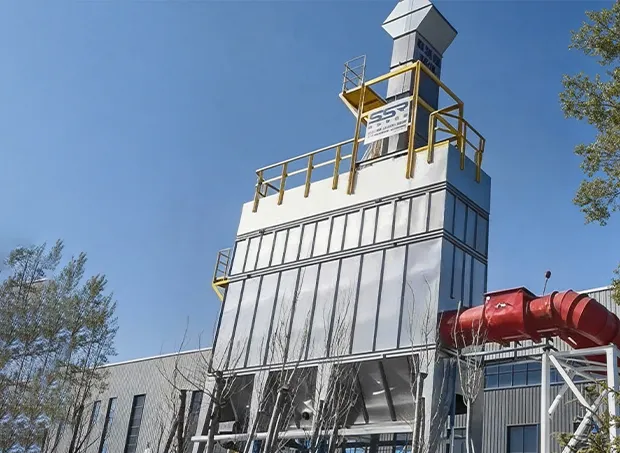
An industrial dust collector system is designed to remove airborne dust, fume, and particulate from industrial processes. It captures dust particles at the source and filters them before releasing clean air.
The process is simple but powerful:
This ensures safe and efficient industrial air cleaning.
Many industrial facilities produce dust during operations such as metal cutting, woodworking, and grinding. Without proper dust collection equipment, this creates serious risks.
Key Risks:
In fact, dust is combustible in many environments. According to NFPA guidelines, proper dust control is essential to prevent catastrophic incidents.
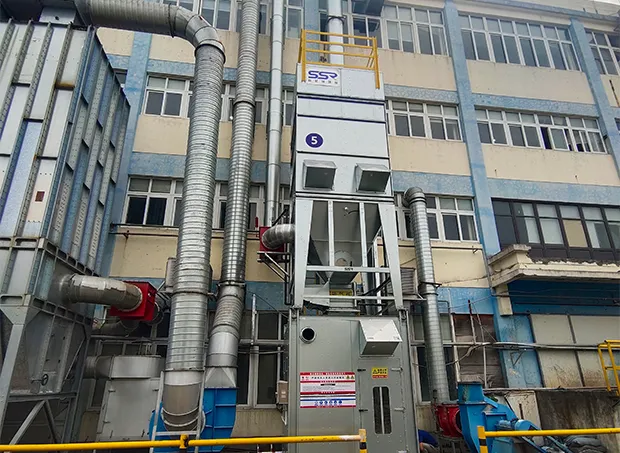
There are several types of dust collector systems, each designed for a specific application.
Common Types:
Choosing between a cartridge dust collector and baghouse dust collectors depends on your application.
If your operation involves fine dust or fume, a cartridge system is often better. For larger dust loads, baghouse systems are more suitable.
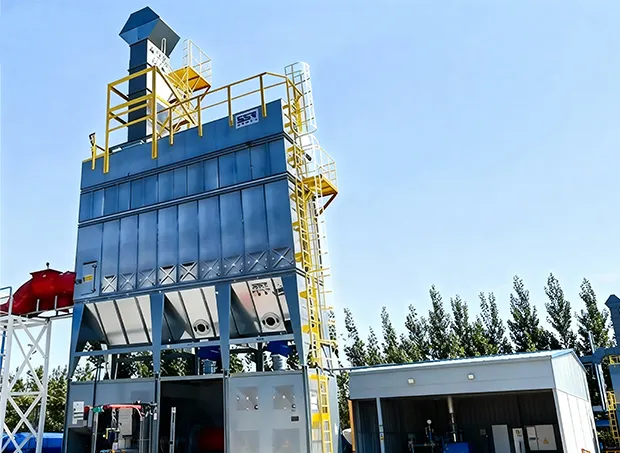
Filtration is the heart of any dust collector system. The type of filter media determines how efficiently dust is captured.
Important Factors:
High-quality dust filtration ensures better performance and longer system life.
To design a system, you need to consider several factors:
Step-by-Step Approach:
Working with collection experts ensures optimal design and performance.
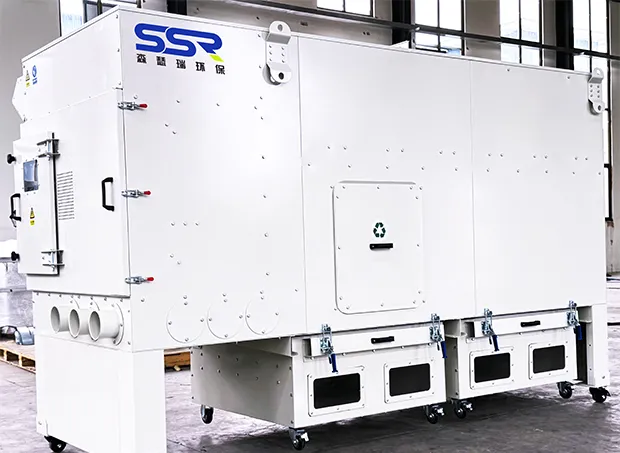
Safety is critical in dust collection.
Key Safety Factors:
Systems must include safeguards to prevent fire and explosion risks.
Many industries rely on dust collector systems:
These industries produce both dust or fumes, requiring advanced fume and mist collection solutions.
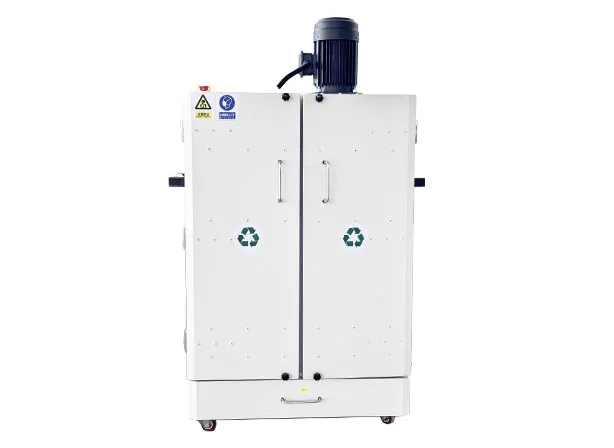
Choosing the right industrial dust collector depends on:
Key Decision Factors:
Quick Checklist:
Selecting the best dust collector ensures long-term efficiency and compliance.
It is a system that removes dust and fumes from industrial air using filtration and airflow control.
It depends on the application. Cartridge collectors are best for fine dust, while baghouse systems handle larger dust volumes.
Airflow is measured in CFM and depends on machine count, dust type, and facility size.
Yes. Many types of dust are combustible and can cause explosions if not properly controlled.
Yes. Many systems are designed for dust and fume collection simultaneously.
It depends on usage, but regular maintenance ensures optimal performance.