Para una respuesta más rápida, incluya su WhatsApp o Skype en su mensaje para que podamos contactarle lo antes posible.
Para ayudarnos a responder más rápido, por favor deje su WhatsApp, correo electrónico o detalles del proyecto. Normalmente respondemos dentro de 24 horas. Para consultas urgentes, contáctenos por WhatsApp: +8617862411260 o WeChat: +8617862411260. llámenos directamente.
Bulk material storage can look simple until dust, moisture, discharge blockage, spoilage, and safety risks appear. A poorly designed silo may slow unloading, damage stored materials, and increase cleanup work. Intelligent modular tower silo solutions help factories store, monitor, and move materials more safely.
An intelligent modular tower silo is a vertical storage system designed for bulk materials such as powders, granules, grain, feed, cement, plastic pellets, biomass, and industrial raw materials. Compared with older fixed structures, modular silo systems can improve storage capacity, material handling, monitoring, dust control, inventory control, and long-term operational efficiency.
Un intelligent modular tower silo is a vertical storage structure used to store bulk materials in a controlled way. The word “tower” means the silo stands tall. The word “modular” means it can be built from standard sections, steel panels, support frames, hoppers, ladders, catwalks, sensors, filters, discharge devices, and control units. The word “intelligent” means the silo can use monitoring systems, level sensors, dust collection, alarms, and automated material handling.
Traditional farm silos were often used in agriculture for storing silage, grain, and feed. Modern industrial silo solutions go further. They can store cement, fly ash, lime, plastic pellets, soybean meal, food powder, chemical powder, biomass, and other bulk materials. In industrial applications, the silo concept is no longer only about storage. It is also about safe loading, stable unloading, dust control, inventory management, and process connection.
For Senserui China, intelligent silo projects are closely linked with industrial dust collection and VOCs treatment. A silo can store material, but loading and unloading may create dust. If that dust escapes, it affects workers, air quality, equipment, and compliance. A good tower silo should therefore work with a proper dust collection system, not stand alone.
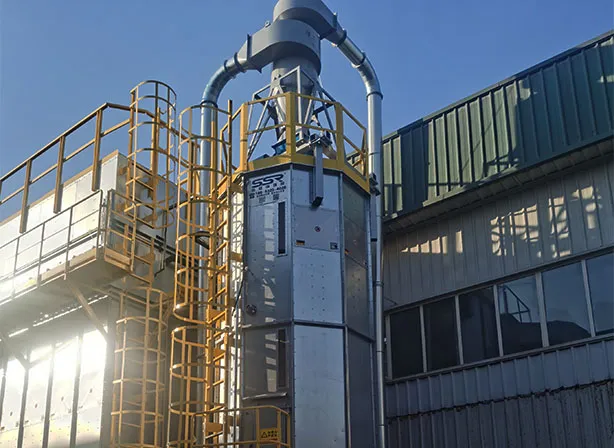
A tower silo saves ground space because it uses vertical height. In crowded factories, this matters. A tall silo can store large quantities of material without taking up as much floor area as horizontal storage. This is useful for food processing, construction industry materials, chemical plants, feed mills, plastics processing, and other factories that need bulk material storage.
Tower silo systems also support controlled discharge. Materials can move through a hopper, auger, pneumatic conveying line, rotary valve, screw conveyor, or bottom-unloading system. This helps the plant unload material into mixers, packaging machines, production lines, or trucks.
A well-designed tower silo can also offer better protection against environmental factors. Rain, wind, dust, pests, and contamination are easier to control when the silo is sealed and properly ventilated. For sensitive stored products, this can protect quality and reduce waste.
A basic silo stores material. An intelligent silo system helps the factory move, measure, monitor, and manage that material. This is a big difference. In factories, storage is not the final goal. The real goal is stable production.
An intelligent tower silo may include:
For example, when powder enters the silo from a tanker truck, air must escape. If the system has no dust filter, dust may blow out. If the system has a proper bin vent filter and dust collection unit, dust is captured before it enters the workshop or outdoor air. That is where intelligent silo design and dust control meet.
A good system uses automation to reduce guesswork. Workers do not need to climb and check material levels often. The plant can plan purchasing, production, and maintenance better.
Every silo has material movement. Material enters. Material settles. Material discharges. Each step can create dust. When dry powder or grain moves quickly, dust can escape from filling ports, vents, transfer points, conveyors, hoppers, and truck loading areas.
This matters for three reasons. First, dust affects workers and air quality. Second, dust can settle on floors, beams, motors, and electrical cabinets. Third, some dust can burn or explode. OSHA’s grain handling standard covers grain dust fires, explosions, and related safety hazards in grain handling facilities. OSHA also warns that grain bins and silos can create engulfment and suffocation hazards when workers enter unsafe conditions.
Senserui China specializes in industrial dust collection and VOCs treatment. In silo projects, our role is to help factories control dust from filling, unloading, transfer, and packaging. This can improve safety and quality while supporting environmental compliance.
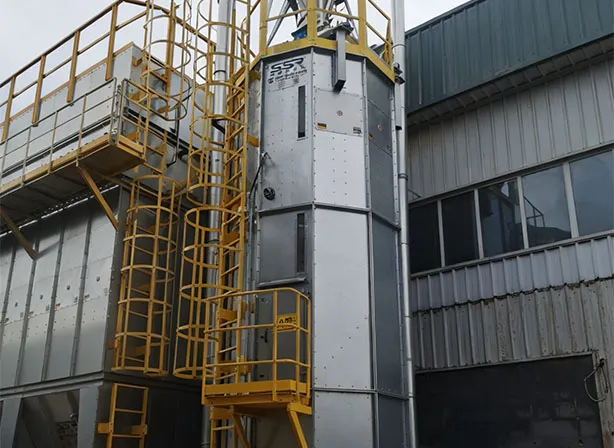
Old silos may still store material, but many lack modern safety, monitoring, sealing, discharge, and dust control features. They may have poor access, weak inspection points, aging structure, limited automation, and higher maintenance risk.
Un intelligent modular tower silo offers:
For modern factories, storage is part of the production system. A silo should connect with material handling, dust collection, process feeding, packaging, and data monitoring. That is why intelligent modular design is becoming more attractive.
Senserui China is an industrial dust collection and VOCs treatment manufacturer in China. We serve medium- to large-scale manufacturers, environmental engineering contractors, system integrators, distributors, and importers across Europe, North America, the Middle East, Southeast Asia, and Latin America.
For silo-related projects, Senserui focuses on the dust and exhaust control side of the system. When a silo stores cement, mineral powder, grain, food powder, chemical powder, biomass, or plastic pellets, dust may appear during loading, unloading, conveying, and packaging. We help control that dust with proper extraction, filtration, pulse cleaning, explosion protection support, and monitoring functions.
Our support can include:
Many overseas buyers do not want a one-time equipment trader. They want a long-term engineering partner. Senserui China understands this need and supports customers with customized design, factory-direct supply, and practical after-sales service.
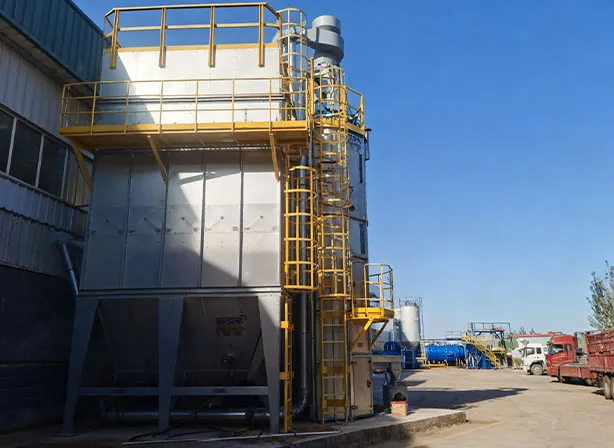
Before buying a silo or silo-integrated dust control system, prepare clear project information. This helps the supplier design a better solution.
Recommended checklist:
A detailed checklist helps avoid wrong design. It also helps buyers compare silo solutions based on long-term value, not only initial price.