للحصول على استجابة أسرع، يرجى تضمين رقم واتساب أو سكايب في رسالتك حتى نتمكن من الاتصال بك في أقرب وقت ممكن.
لمساعدتنا في الاستجابة بشكل أسرع، يرجى ترك بيانات واتساب أو البريد الإلكتروني أو تفاصيل المشروع. نحن عادةً نرد خلال 24 ساعة. للاستفسارات العاجلة، اتصل بنا عبر واتساب: +8617862411260 أو وي تشات: +8617862411260. اتصل بنا مباشرة.
Dust looks small, but it can create big problems. Poor dust control can hurt workers, slow production, damage machines, and create compliance risk. The right industrial dust collection system helps your factory stay cleaner, safer, and easier to manage.
A good industrial dust collection system should match your dust type, production process, airflow demand, workshop layout, safety risk, filter choice, discharge method, and long-term maintenance plan. Factory buyers should choose a system based on engineering design, not only equipment price.
أ industrial dust collection system is a complete air pollution control system that captures dust, smoke, fumes, and fine particles from production areas. It usually includes capture hoods, ducts, fans, filters, dust collectors, discharge devices, control cabinets, and sometimes dust silos.
It is different from a small workshop vacuum. A factory-grade dust extraction system must match the real working condition. It needs to handle air volume, dust load, temperature, humidity, particle size, and production rhythm. For medium and large factories, this is an engineering project.
The U.S. EPA explains that particulate matter includes solid particles and liquid droplets in the air, and some particles are small enough to be inhaled. This is one reason industrial plants need proper dust capture and filtration, especially when dust is created continuously during cutting, sanding, grinding, mixing, or processing.
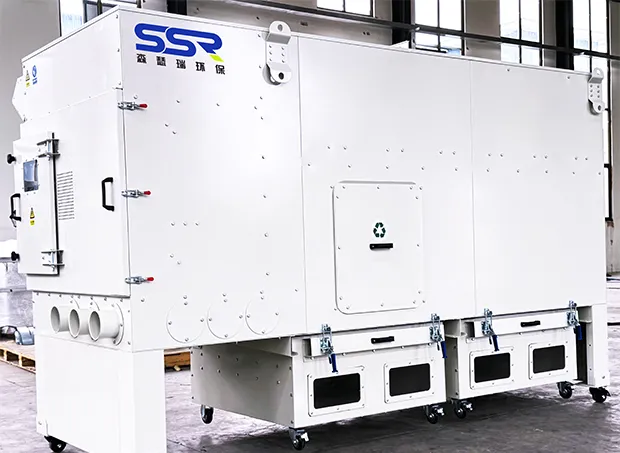
Factories need dust control for four main reasons: worker health, production safety, equipment protection, and environmental compliance. If dust remains in the workshop, it can spread across floors, machines, electrical cabinets, and finished products. This creates cleaning work and may also affect product quality.
A good dust extraction system captures dust near the source. This is important because dust is easier to control before it spreads. CCOHS also recommends using a proper dust extraction and collection system with the inlet placed as close as possible to the dust-producing process.
For B2B buyers, the value is not only “clean air.” The real value is lower downtime, fewer complaints from operators, better housekeeping, safer production, and a clearer path to passing environmental checks.
Before choosing an industrial dust collector, you must know your dust. Different dust behaves in different ways. Wood dust is not the same as welding smoke. Cement dust is not the same as chemical powder. Fine dust may float longer. Sticky dust may block filters. Combustible dust may need explosion protection.
Common dust types include:
For example, a woodworking dust collector often needs high air volume because sawdust is produced quickly. A welding fume extraction system needs strong capture at welding points and good filtration for fine smoke particles. A chemical plant may need anti-static, explosion relief, or special material handling.
This is why a serious supplier should ask about your process first. If a supplier gives you a price before understanding the dust, the solution may not be reliable.
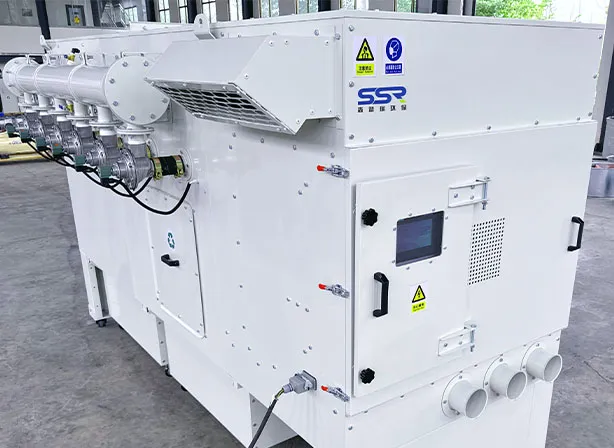
You may need an explosion proof dust collector when your dust is combustible or when your process creates fire and explosion risk. This can include wood dust, metal dust, chemical powder, food dust, plastic dust, and some composite materials.
OSHA identifies combustible dust as an explosion hazard and notes that mandatory standards address certain aspects of combustible dust risks. OSHA guidance also says early preventive steps include containing combustible dust in properly designed and located areas while controlling ignition sources.
Important safety options may include:
Do not guess here. If your dust may be combustible, ask for a professional dust hazard review. A cheap system without safety design may become expensive later.
Very important. Many buyers focus only on the dust collector body, but the full industrial dust collector system depends on ducts, fans, valves, and controls. A strong collector with poor duct design will still perform badly.
The duct system must move dust without causing blockage or heavy pressure loss. The fan must provide enough suction. The control cabinet should help the system run safely and efficiently. For large factories, smart control can start or stop fan groups based on actual production demand.
Key design points include:
This is where engineering experience matters. A factory-direct dust collection system manufacturer should not only sell a machine. It should help design the complete system.
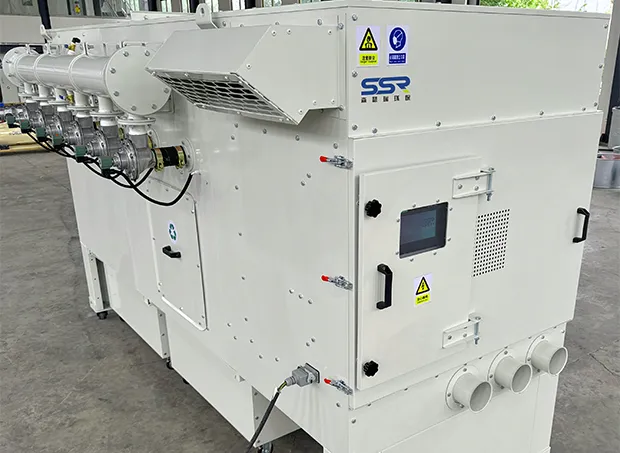
سينسروي الصين serves medium- and large-scale industrial manufacturers, engineering contractors, system integrators, distributors, and importers. These buyers usually care about compliance, safety, stable operation, energy efficiency, and long-term support.
As a China-based industrial environmental equipment manufacturer, Senserui focuses on:
The key value is engineering. When you send dust type, equipment layout, workshop drawings, process photos, and target requirements, the team can help recommend a practical system direction.
For buyers, the best system is not the most expensive one. It is the one that fits your factory, runs safely, and keeps working after installation.
The best system depends on dust type, production process, airflow demand, workshop layout, safety risk, and emission target. A woodworking plant, welding workshop, cement plant, and chemical factory may all need different designs.
A cartridge dust collector is often better for compact layouts and fine dust applications such as welding, grinding, and general factory dust. A bag filter may be better for heavy dust load, high-volume dust, or certain high-temperature processes.
Choose a centralized system when your factory has multiple dust-producing points, large production volume, high cleaning workload, or strict environmental requirements. It is usually more efficient than many small standalone units.
You may need one if your dust is combustible or if sparks, heat, static electricity, or fine suspended dust are present. Wood dust, metal dust, chemical powder, food dust, and plastic dust may require special safety design.
Replacement depends on dust type, dust load, working hours, filter material, cleaning system, and pressure difference. If airflow drops, pressure difference rises, or emissions increase, the filter cartridge should be inspected.
Yes, but the system must be designed correctly. Dust filtration often comes before VOCs treatment. For coating, chemical, rubber, plastic, and composite factories, integrated dust and VOCs treatment may be needed.