Get a Quote

For a faster response, please include your WhatsApp or Skype in your message so we can contact you as soon as possible.

    To help us respond faster, please leave your WhatsApp, email, or project details. We usually reply within 24 hours. For urgent inquiries,contact us on WhatsApp: +8617862411260 or WeChat: +8617862411260. call us directly.

    21
    2026/04

    Filter Cartridge for Dust Collector: How to Choose the Right Cartridge Filter for Industrial Dust Collection

    Industrial dust problems often start small—but ignored filtration leads to equipment failure, safety risks, and compliance issues. Choosing the wrong dust collector filter can increase downtime and costs. The right cartridge filter solution ensures stable airflow, high filtration efficiency, and long-term reliability.

    A filter cartridge for a dust collector is a cylindrical filtration component designed to capture dust particles from the air using pleated filter media. It improves filtration efficiency, increases surface area, and supports high-performance dust collection systems in industrial applications such as welding, woodworking, and powder handling.

    What Is a Filter Cartridge for a Dust Collector and How Does It Work?

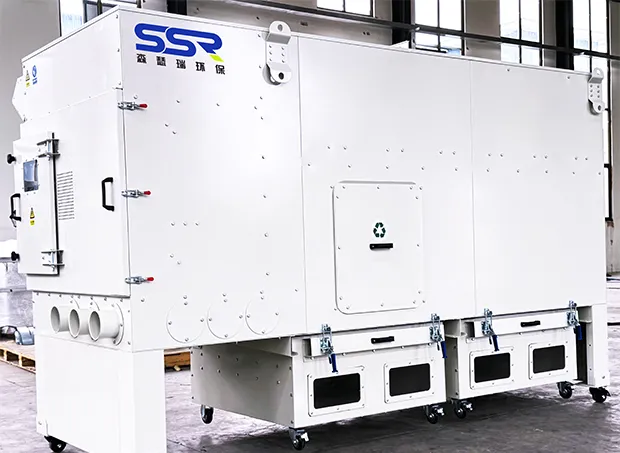
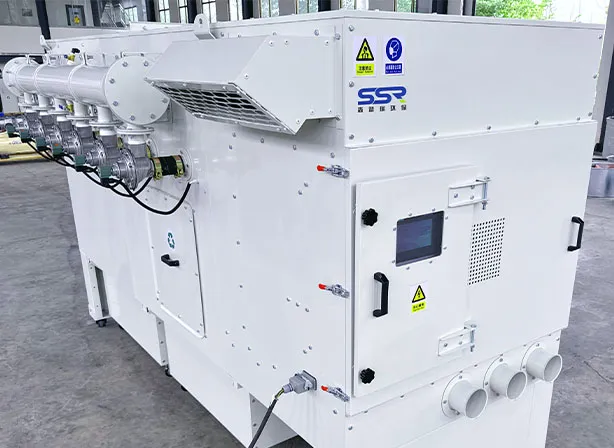
    A filter cartridge for dust collector systems is a cylindrical filtration unit designed to capture dust particles and contaminants from industrial airflow. These cartridge filters are installed inside a dust collector, where they act as the core filtration component.

    Cartridge filters are designed with pleated filter media, which significantly increases the surface area within a compact structure. This design allows efficient air filtration, capturing fine particulate, including extremely fine and hazardous particles.

    Key Working Principle:

    • Contaminated air enters the dust collector
    • Dust particles are trapped on the filter surface
    • Clean air passes through and exits
    • Pulse jet cleaning removes accumulated dust

    This process ensures stable airflow and optimal filtration performance.
    W

    Why Cartridge Filters Are Widely Used in Industrial Dust Collection Systems

    In modern industrial dust collector systems, cartridge filters have largely replaced traditional baghouse filters in many applications.

    Main Advantages:

    • Higher filtration efficiency (often reaching HEPA or MERV 16 levels)
    • Compact design – ideal for space-limited factories
    • Lower energy consumption due to better airflow
    • Easier maintenance and replacement

    Compared to baghouse systems, a cartridge dust collector is more efficient when handling fine dust particles, welding fume, and light powder materials.

    This is why industries such as:

    • Metal fabrication (weld, cutting)
    • Pharmaceutical manufacturing
    • Food processing
    • Chemical plants

    prefer dust collector cartridge filters.

    How to Choose the Right Dust Collector Filter Cartridge

    Selecting the right filter cartridge is critical for system performance.
    Key Factors to Consider:

    1. Dust Type

    • Fine dust → Nano / HEPA
    • Sticky dust → PTFE coating
    • Flammable dust → Conductive filters

    2. Airflow Requirements

    • Ensure the filter matches your dust collector airflow capacity

    3. MERV Rating

    • MERV 11–13 → general use
    • MERV 16 → high-efficiency industrial use

    4. Application Industry

    • Each specific application requires different filter configurations.

    Quick Selection Checklist:

    • Type of dust particles
    • Operating environment
    • Required filtration efficiency
    • Filter life expectations
    • Compliance requirements

    W

    What Is the Lifespan of Dust Collector Cartridge Filters?

    The lifespan of dust collector cartridges depends on several factors:

    Average Filter Life:

    • Standard cartridge → 6–12 months
    • Premium cartridge → 12–24 months

    Influencing Factors:

    • Amount of dust
    • Dust properties (abrasive, sticky)
    • Cleaning frequency
    • Airflow conditions

    Proper system design helps extend the life of filters significantly.

    When Should You Replace Dust Collector Cartridges?

    Knowing when to use a replacement filter is essential.

    Signs You Need Replacement:

    • Increased differential pressure
    • Reduced airflow
    • Visible dust emissions
    • Filter clogging

    Delaying replacement increases:

    • Energy costs
    • System wear
    • Risk of failure

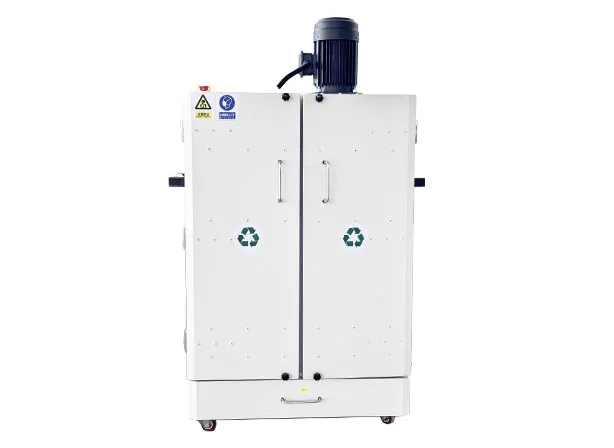
    S Series — Dust Control Mainframe

    How to Improve Filtration Efficiency and Extend Filter Life

    To optimize dust collection performance, follow these strategies:

    Best Practices:

    • Use high-quality filter media options
    • Install proper pulse jet cleaning systems
    • Avoid overloading the dust collector
    • Monitor pressure regularly

    Advanced Solutions:

    • Nano coating for enhanced filtration
    • High-performance cartridge design
    • Custom OEM engineering

    Common Problems: Why Do Cartridge Filters Clog or Fail?

    Even high-quality dust collector cartridge filters can fail if misused.

    Common Causes:

    • Incorrect filter type
    • Excessive dust loading
    • Moisture contamination
    • Poor system configuration

    A clogged filter leads to:

    • Reduced airflow
    • Higher energy use
    • Increased downtime

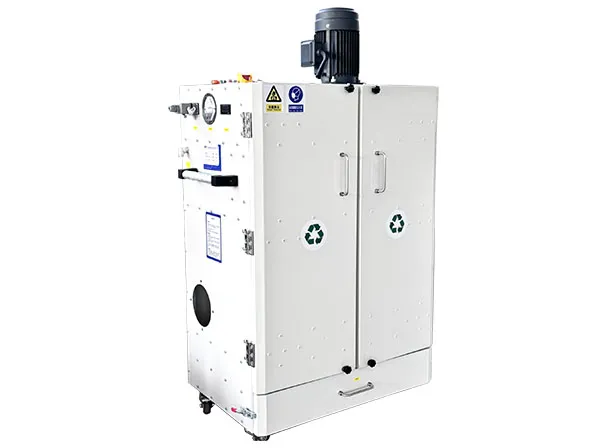
    S Series

    How OEM Manufacturers Ensure High-Quality Industrial Cartridge Filters

    As an industrial dust collection and VOCs treatment manufacturer, we understand that filter performance is not just about materials—it’s about engineering integration.

    At Senserui China, we focus on:

    Our Engineering Approach:

    • Custom-designed dust collection systems
    • Optimized airflow and filtration balance
    • Selection of high-quality industrial cartridge filters
    • Support for OEM and system integrators

    We work closely with global clients to ensure:

    • Compliance with international standards
    • Stable operation in hazardous environments
    • Long-term cost efficiency

    This is why many international buyers prefer factory-direct engineering suppliers over simple traders.

    FAQs

    What is the difference between a cartridge filter and a bag filter?

    Cartridge filters use pleated media for higher surface area and efficiency, while bag filters are better for heavy dust loads.

    How often should dust collector cartridges be replaced?

    Typically every 6–12 months, depending on dust type and operating conditions.

    Can cartridge filters handle hazardous or flammable dust?

    Yes, but you need conductive or explosion-proof filter media.

    How do I improve filter lifespan?

    Use proper media, optimize airflow, and maintain regular cleaning cycles.

    leave us a message

      Get a Quote Now
      Tell Us Your Dust Type, Air Volume, or Workshop Layout
      We’ll recommend a suitable dust collection or VOCs treatment solution within 24 hours.