Pour une réponse plus rapide, veuillez inclure votre WhatsApp ou Skype dans votre message afin que nous puissions vous contacter dès que possible.
Pour nous aider à répondre plus rapidement, veuillez laisser votre WhatsApp, e-mail ou détails du projet. Nous répondons généralement dans les 24 heures. Pour les demandes urgentes, contactez-nous sur WhatsApp : +8617862411260 ou WeChat : +8617862411260. appelez-nous directement.
Dust inside a factory does not stay small for long. It can hurt workers, block machines, lower product quality, and create safety risks. The right answer is not random cleaning. It is a well-designed industrial dust collection system built around your real process.
The best industrial dust collection system for factories is a source-capture dust collection system with the right dust collector, ductwork, filtration system, fan capacity, safety devices, and smart control system. For large or multi-station plants, a centralized industrial dust collector is usually more effective than a portable dust collector.
The best dust collection system is not simply the biggest machine or the lowest-price option. It is the system that fits your dust type, dust load, workshop layout, airflow demand, safety risk, and local emission requirements. A good dust collector must capture dust from the source, move it through ducts, filter it well, and discharge the collected dust safely.
In real industrial environments, dust can come from cutting, grinding, welding, sanding, mixing, conveying, polishing, packaging, or powder handling. Each process creates a different dust particle size and different dust behavior. That is why one dust collector design cannot solve every problem.
For a small single workstation, a local dust collector may work. For a large plant with many collection points, a centralized industrial dust collection system is usually better. It gives stronger airflow control, easier maintenance, better monitoring, and more stable long-term dust control.
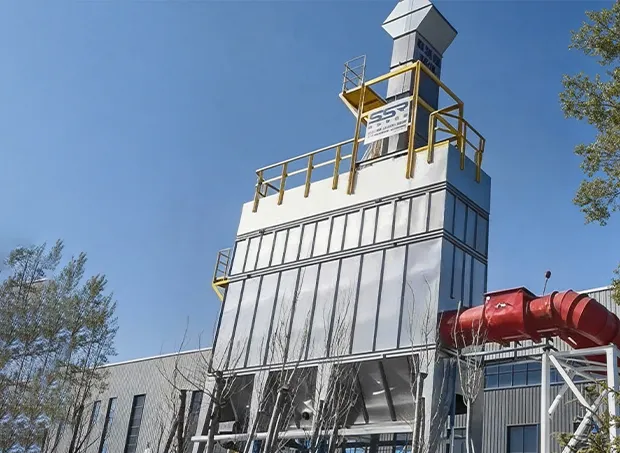
A dust collector works by pulling dusty air away from the process before it spreads into the workshop. First, capture hoods, suction arms, equipment ports, or enclosed collection points collect the dust and fume. Then the fan moves the dirty air through ductwork into the dust collector.
Inside the dust collector, the filtration system separates dust from the air. The filter may use cartridges, bags, or other media depending on the dust type. Clean air then leaves the unit, while the collected dust falls into a bin, hopper, silo, or discharge device.
A modern industrial dust collector may also include sensors, pressure monitoring, automatic filter cleaning, spark detection, explosion relief, and remote alarms. These features make the dust collection system safer, easier to manage, and more stable for long working hours.
A cartridge dust collector is often a strong choice for fine dust, welding dust, cutting dust, polishing dust, and many modern factory processes. Cartridge collectors usually have a compact structure and high filtration area. They are useful when the factory needs high-performance dust collection in a limited space.
A baghouse dust collector is often better for a high dust load, large airflow, and heavy industrial processes. Baghouse systems are common in cement, minerals, wood processing, bulk powder handling, and other demanding dust collector applications. They are not always compact, but they can be very stable when designed well.
So, which one is better? The honest answer is: it depends. If your plant has fine dust and space limits, a cartridge dust collector may fit better. If your plant has heavy dust load and continuous industrial operations, a baghouse dust collector may be stronger. The best dust collector is the one that matches your dust characteristics, not the one with the most attractive brochure.
A portable dust collector can be useful for small jobs, repair areas, temporary work, or one machine. It gives flexibility. It can be moved. It is also easier to install than a larger dust collection system. For some factories, portable dust is a practical first step.
But a portable dust collector is not enough when the factory has many dust sources, high dust levels, long working hours, or strict emission targets. If workers need to move portable units from place to place all day, the system may become hard to manage. Dust capture may also become unstable.
A larger dust collection system is better when your plant needs fixed collection points, stable airflow, central monitoring, automatic cleaning, and safer collected dust handling. For medium- to large-scale factories, a centralized industrial dust collector usually provides better value over time.
Dust collection system design decides whether the equipment will truly work. A powerful dust collector cannot perform well if the hood is too far from the source, the duct is poorly sized, or the fan cannot overcome pressure loss. Good collector design starts at the dust source, not at the machine price list.
Important design factors include:
A poor design may remove dust poorly, waste energy, clog filters, or create unsafe dust buildup. A good dust collection system design keeps airflow balanced and stable. It also makes maintenance easier, which matters in daily production.
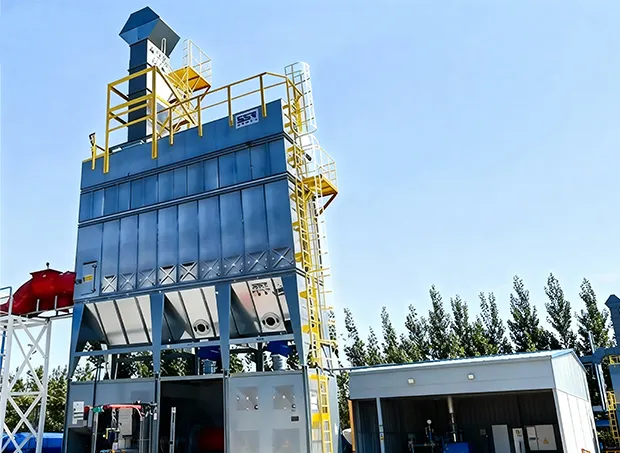
Combustible dust is one of the most serious concerns in dust collection. Fine powders from wood, metal, food, plastic, rubber, coal, pharmaceutical materials, and some chemicals can become dangerous when suspended in air. If the dust cloud meets an ignition source, it may cause fire or explosion.
A safe dust collector should be selected with risk in mind. Depending on the process, the system may need spark arrestors, explosion relief, explosion isolation, temperature monitoring, pressure monitoring, grounding, fire prevention, or safe discharge devices. A dust collector used for aluminum dust, metal dust, wood dust, or chemical dust should never be selected casually.
Safety also depends on daily operation. Workers should not use compressed air to blow dust into the air. Maintenance teams should clean hidden areas and prevent dust buildup. Managers should review dust applications, operating conditions, and local safety rules before choosing any industrial dust collector.
A dust collector is no longer just a steel box with a fan. In modern industrial environments, the control system can make a big difference. Smart controls help the dust collection system respond to real working conditions instead of running at full power all the time.
For example, a centralized dust collector may use differential pressure monitoring to check filter condition. It may use automatic pulse cleaning to keep filters stable. It may also use fan step control, variable airflow, temperature alarms, spark detection, or remote monitoring.
This matters because factories need both performance and cost control. A high-performance dust system should not waste power when only a few machines are running. Smart control helps improve energy use, reduce manual checking, and find problems earlier.
Not all dust collector manufacturers offer the same value. Some only sell equipment. Others can design a complete dust collection solution based on your real production line. For overseas B2B buyers, this difference is very important.
When comparing dust collector manufacturers, check these points:
Industrial dust collector manufacturers should act like engineering partners, not simple traders. A good supplier asks questions before quoting. That is a good sign.
A dust collector quote is only useful when the supplier has enough data. If the supplier quotes without asking about dust type, airflow, duct distance, or safety risk, the price may be easy to get but hard to trust.
Before asking for a dust collection system price, prepare this information:
This information helps the manufacturer choose the right industrial dust collection system, instead of guessing.
Senserui Chine is an industrial dust collection and VOCs treatment manufacturer. We support medium- to large-scale factories, environmental engineering contractors, system integrators, international distributors, and importers who need practical dust collection solutions for real production sites.
Our products include dust control mainframes, dust silos, exhaust gas treatment systems, components, ducts, control cabinets, sensors, valves, and customized modules. We design dust collector systems around dust type, air volume, workshop layout, operating hours, safety needs, and long-term maintenance.
Senserui focuses on:
For B2B buyers, the final goal is not just buying a dust collector. The goal is cleaner air, safer production, lower operating cost, and easier compliance.
The best industrial dust collection system is usually a source-capture system with proper hoods, ductwork, fan capacity, filter media, dust discharge, and smart controls. For large factories, a centralized dust collector is often better than several small portable units.
A dust collector is the main filtration unit. A dust collection system includes the dust collector plus hoods, ducts, fans, valves, control cabinet, sensors, discharge devices, and safety accessories. The full system decides the final performance.
A cartridge dust collector is often better for fine dust and limited space. A baghouse dust collector is often better for high dust load and heavy industrial processes. The right choice depends on dust type, airflow, dust load, and operating conditions.
Use a portable dust collector for small work areas, repair stations, temporary work, or single machines. For multi-point production lines, high dust load, or strict emission needs, a centralized dust collection system is usually better.
Sometimes yes, but it depends on the dust and fume type. Welding, cutting, coating, chemical vapor, oil mist, or VOCs may need special filtration or exhaust gas treatment. Senserui can review dust and fume conditions before recommending a system.
Choose a manufacturer that asks about your process, dust type, airflow, layout, safety needs, and compliance goals. A reliable supplier should provide engineering support, customization, technical drawings, after-sales service, and spare parts support.