Solicitar presupuesto

Para una respuesta más rápida, incluya su WhatsApp o Skype en su mensaje para que podamos contactarle lo antes posible.

    Para ayudarnos a responder más rápido, por favor deje su WhatsApp, correo electrónico o detalles del proyecto. Normalmente respondemos dentro de 24 horas. Para consultas urgentes, contáctenos por WhatsApp: +8617862411260 o WeChat: +8617862411260. llámenos directamente.

    11
    2026/05

    How to Choose an Industrial Dust Collection System | Complete Guide

    Dust problems in industrial facilities often cause downtime, equipment wear, and safety hazards. Choosing the wrong dust collection system increases costs and compliance risks. A properly designed system ensures clean air, efficient operation, and regulatory compliance.

    An industrial dust collection system is a setup designed to capture dust and airborne particles from industrial processes. By selecting the correct dust collector type, airflow rate, and filtration media, factories can maintain air quality, protect workers, and reduce equipment maintenance costs.

    What is an Industrial Dust Collection System and How Does it Work?

    Un industrial dust collection system removes dust, fumes, and particulates from industrial environments. Air carrying contaminants enters the dust collector, where filtration media traps particles. Clean air is then discharged back to the workspace.
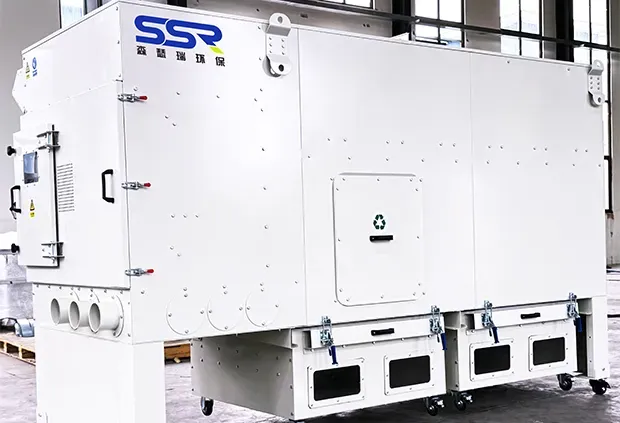
    • Particle capture: Fine dust, sawdust, metal shavings
    • Filtration efficiency: Ensures compliance with air quality standards
    • System integration: Can connect multiple production points

    Serie S - Unidad central de control de polvo

    Why Dust Collection Is Critical in Factories

    Industrial dust can damage equipment, reduce worker safety, and create compliance issues.

    Risks include:

    • Fire and explosion hazards from combustible dust
    • Equipment failure and increased maintenance
    • Non-compliance with local environmental regulations

    Proper dust collection protects both workers and assets, improving productivity.

    Cartridge vs Baghouse Dust Collectors: Key Differences

    Cartridge dust collectors:

    • Compact design
    • Alta eficiencia de filtración
    • Suitable for fine dust and fume

    Baghouse collectors:

    • Handles heavy dust load
    • Robust, larger footprint
    • onger maintenance cycles

    Decision tip: For fine dust and precision operations, choose cartridge filters; for heavy or coarse dust, choose baghouse systems.

    How Airflow (CFM) Affects Dust Collection Performance

    • Airflow, measured in Cubic Feet per Minute (CFM), determines system performance.
    • Proper CFM ensures dust is captured at the source
    • Prevents filter overload
    • Optimizes energy use

    Misjudging airflow leads to inefficiency and increased wear.
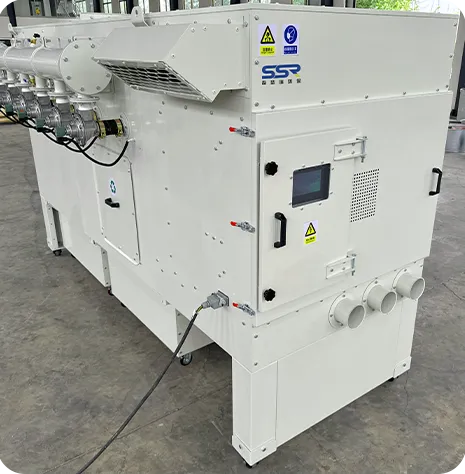
    Serie S - Unidad central de control de polvo

    Choosing the Right Filter Media

    Filter media defines filtration efficiency:

    • Cellulose: Basic filtration, cost-effective
    • Polyester: Durable, moisture-resistant
    • PTFE-coated: Sticky or hazardous dust
    • Nano-fiber / HEPA: Ultra-fine particulate

    Proper selection reduces maintenance frequency and increases system longevity.

    Safety Considerations

    Key safety aspects:

    • Combustible dust: Avoid fire/explosion
    • NFPA compliance: Required in many regions
    • Explosion-proof units: For metal or chemical dust

    Safety features are critical for industrial dust collection system selection.
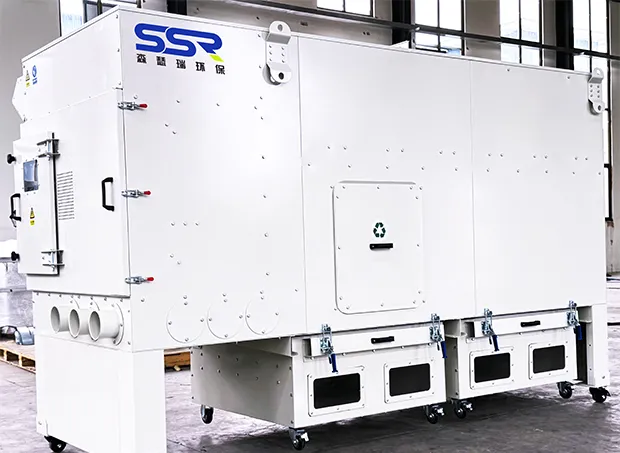
    Serie S - Unidad central de control de polvo

    Centralized vs Standalone Dust Collection Systems

    Centralized systems:

    • Handle multiple machines
    • Reduce individual unit maintenance
    • Optimize energy efficiency

    Standalone units:

    • Easier to deploy
    • Flexible location
    • Suitable for small workshops

    Maintenance and Replacement

    Regular maintenance ensures performance:

    • Filter replacement: 6–12 months or per pressure drop
    • Cleaning systems: Pulse jet or manual
    • Inspection: Check ducts, fans, and dust hoppers

    Proper maintenance improves lifespan and compliance.
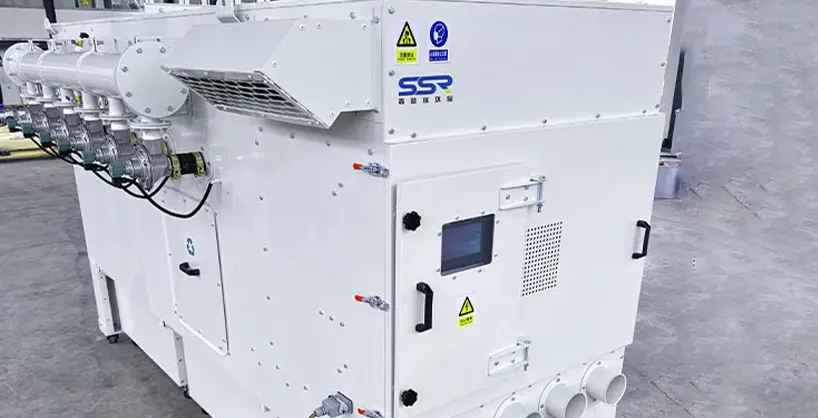
    Serie S - Unidad central de control de polvo

    How to Select a Trusted Industrial Dust Collector Manufacturer

    • Senserui China offers:
    • Custom-engineered dust collection solutions
    • Modular, scalable systems
    • Cumplimiento de normas internacionales
    • Full lifecycle support, remote monitoring, and training

    Working with a professional manufacturer ensures reliable industrial dust collection.

    Preguntas frecuentes

    What is an industrial dust collector system?

    It removes airborne dust and particles from industrial processes using filtration.

    How do I choose between cartridge and baghouse filters?

    Cartridge filters are better for fine dust; baghouse filters handle larger dust loads.

    ¿Con qué frecuencia deben reemplazarse los filtros?

    Typically 6–12 months, depending on dust type and system load.

    Can dust collectors handle hazardous dust?

    Yes, if designed with appropriate explosion-proof or conductive filters.

    Why is airflow important?

    Proper airflow ensures dust is captured efficiently and prevents system overload.

    déjenos un mensaje

      Solicitar presupuesto
      Díganos su tipo de polvo, volumen de aire o diseño del taller
      Recomendaremos una solución adecuada de recolección de polvo o tratamiento de VOCs en un plazo de 24 horas.