For a faster response, please include your WhatsApp or Skype in your message so we can contact you as soon as possible.
To help us respond faster, please leave your WhatsApp, email, or project details. We usually reply within 24 hours. For urgent inquiries,contact us on WhatsApp: +8617862411260 or WeChat: +8617862411260. call us directly.
Dust spreads fast. It covers machines, enters the air, raises cleanup costs, and may create health or fire risks. If your team keeps fighting the same dust every day, the answer is not only more cleaning. The answer is smarter dust control.
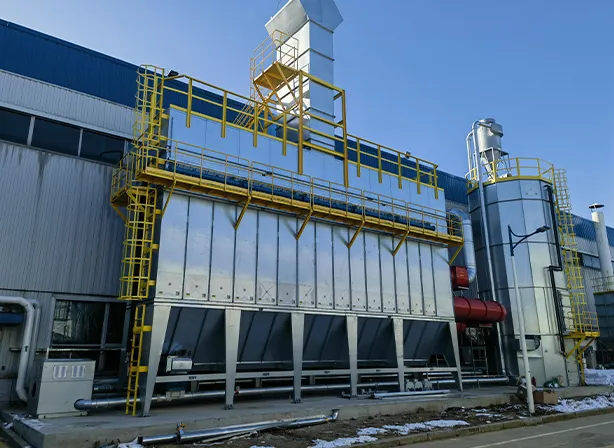
A dust control mainframe is the core unit of an industrial dust control system. It helps control dust by connecting dust collection, filtration, dust suppression, monitoring, airflow control, and safe discharge. For factories, it supports effective dust control by reducing airborne dust, lowering dust emissions, and improving long-term production stability.
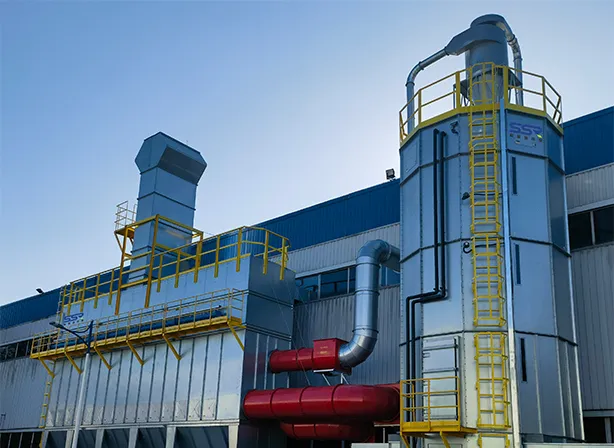
A dust control mainframe is the central equipment body used to manage dust in an industrial dust control system. Depending on the project, it may include a filter chamber, fan section, pulse cleaning unit, control cabinet, sensors, hopper, discharge device, and safety modules. In simple words, it is the “main engine” that helps the system collect, filter, monitor, and manage dust.
In many factories, dust does not come from one place. It may come from grinding, cutting, polishing, welding, crushing, mixing, conveying, packaging, or loading. A dust control mainframe connects these dust sources through hoods, ducts, or local extraction points. It then helps capture dust particles before they spread through the workshop.
For medium- and large-scale manufacturers, a dust control mainframe is often more practical than several small scattered units. A centralized mainframe can support stable airflow, easier maintenance, better monitoring, and more consistent dust control. This is why many factories, engineering contractors, and system integrators prefer modular dust control solutions.
Dust control is important because dust can affect workers, machines, products, and environmental compliance. Some dust may look harmless, but dust can lead to serious problems when it becomes airborne. Fine dust particles can enter the breathing zone. Airborne dust particles can also settle on motors, sensors, electrical cabinets, and finished products.
In construction and industrial sites, silica dust is a well-known risk. OSHA requires employers to limit worker exposure to respirable crystalline silica and use suitable control methods. HSE also notes that tasks such as scabbling or grinding concrete can create very high levels of silica-containing dust. This shows why proper dust control is essential in both construction site and factory conditions.
The importance of dust control also includes safety. Some materials can create combustible dust. Wood dust, plastic dust, aluminum dust, chemical dust, and some food powders may become dangerous when dust clouds meet an ignition source. Good dust control measures help reduce dust buildup, dust accumulation, and uncontrolled dust emissions.
A dust control mainframe helps control dust by creating controlled airflow. The system pulls dusty air from the source, moves it through ductwork, removes dust particles, and discharges cleaner air. The collected dust then drops into a hopper, drawer, bin, or other discharge device.
A typical working process looks like this:
Dust Source
↓
Capture Hood or Extraction Point
↓
Ductwork
↓
Dust Control Mainframe
↓
Filter / Separation / Cleaning System
↓
Clean Air Outlet
↓
Collected Dust Discharge
This process helps reduce airborne dust before it spreads across the work area. It also helps minimize dust around sensitive equipment. For example, in metalworking, woodworking, battery material processing, powder handling, and chemical production, proper dust management can improve worker comfort, quality control, and production stability.
A mainframe can also connect with dust monitoring, pressure sensors, temperature sensors, spark detection, and remote alarms. This allows the plant team to continuously monitor dust levels and system condition instead of waiting until dust levels rise visibly.
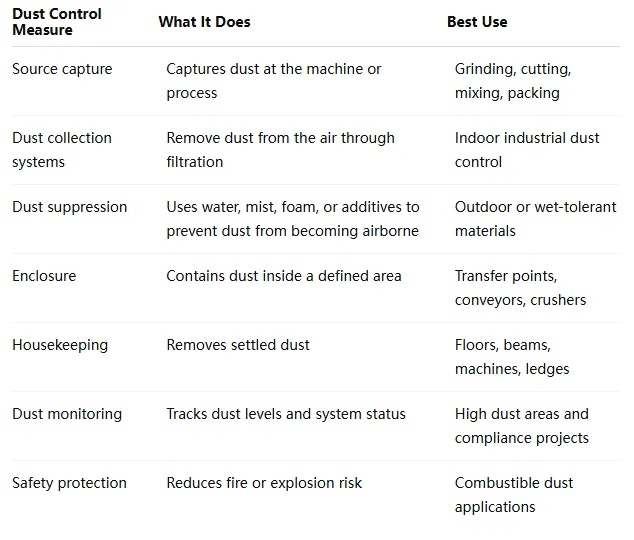
Factories should use dust control measures that match the dust source, dust type, production process, and safety risk. One method rarely solves every dust problem. Effective dust control often combines capture, filtration, suppression, enclosure, housekeeping, and monitoring.
Common dust control measures include:
Proper dust control is not only about buying dust control equipment. It is about system design. The plant must understand dust sources, amount of dust, dust generation points, airflow paths, and maintenance needs. Only then can the dust control method work well.
A dust suppression system reduces airborne dust by applying water mist, foam, or additives to dust sources. The goal is to bind dust particles together, increase their weight, and prevent dust from floating into the air. This can help reduce dust levels at transfer points, stockpiles, roads, crushers, and outdoor loading areas.
Common suppression methods include:
Dust suppression is a critical method when large amounts of dust are generated outdoors. For example, contractors can reduce dust on construction sites by using water spray, wet cutting, material covering, and controlled vehicle movement. In some cases, eco-friendly dust suppression solutions can stabilize soil and reduce dust without overusing water.
However, dust suppression is not perfect. If a process handles fine powder, dry chemicals, electrical components, food materials, or high-value products, wetting may damage the material. In those cases, effective dust suppression may need to be replaced or supported by dust collection systems.
Dust collection systems are better when the goal is to capture dust particles, keep the process dry, and remove dust from the air. A dust collection system uses suction, ductwork, filters, and a dust control mainframe to control airborne dust near the source.
Factories should consider dust collection systems when they handle:
A dust collection system is especially useful when dust can settle on equipment or enter electrical cabinets. Dust can settle slowly, but the damage can build up. Fans, motors, control panels, and sensors may need more maintenance when dust buildup is not controlled.
Senserui China designs industrial dust collection and VOCs treatment solutions for these conditions. For many overseas factories, a customized dust control system is a better long-term investment than scattered small units or basic water spray.
Although Senserui mainly serves industrial factories, many dust control principles also apply to construction site conditions. Construction dust can come from cutting, drilling, grinding, demolition, concrete work, and material handling. Silica dust is especially important because it can contain respirable crystalline silica.
A dust control mainframe can support construction-related production environments such as precast concrete plants, stone processing workshops, cement product factories, dry mortar plants, and mineral processing lines. These facilities may generate high dust during grinding, mixing, filling, and conveying.
Useful control strategies include:
The effective way to control silica dust exposure is to control dust at the source first. PPE can support worker safety, but it should not be the only solution. Engineering controls such as wet methods and local extraction are usually more reliable for reducing dust emissions.
Reliable dust control equipment should be stable, easy to maintain, safe, and suitable for the dust type. A low-cost unit may look attractive, but it can fail if the filter area is too small, the airflow is wrong, or the cleaning system cannot handle dust generation.
A professional dust control mainframe should consider:
For factories with chemical exhaust, coating lines, printing processes, or odor problems, dust control solutions may need to work with VOCs treatment. Dust and VOCs are different pollutants, but they may appear in the same workshop. Removing dust before VOCs treatment can help protect activated carbon, catalytic systems, or other downstream equipment.
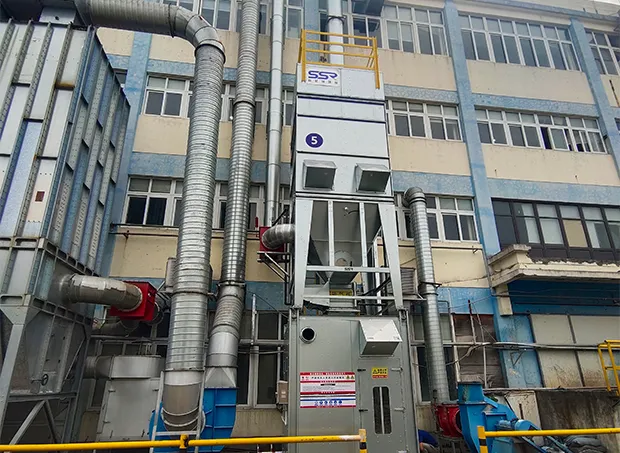
Senserui China is an industrial environmental equipment manufacturer specializing in industrial dust collection and VOCs treatment. We serve medium- to large-scale industrial manufacturers, environmental engineering contractors, system integrators, distributors, and importers across Europe, North America, the Middle East, Southeast Asia, and Latin America.
Our customers care about compliance, safety, energy efficiency, long-term operating cost, modular design, customization, and after-sales support. They need more than a standard dust collector. They need a partner who understands industrial processes, dust control strategies, VOCs treatment, system operation, and remote technical support.
We do not treat dust control as a single machine sale. We treat it as a long-term production and environmental solution. This matters for global buyers who want stable operation, strong engineering support, and practical service.
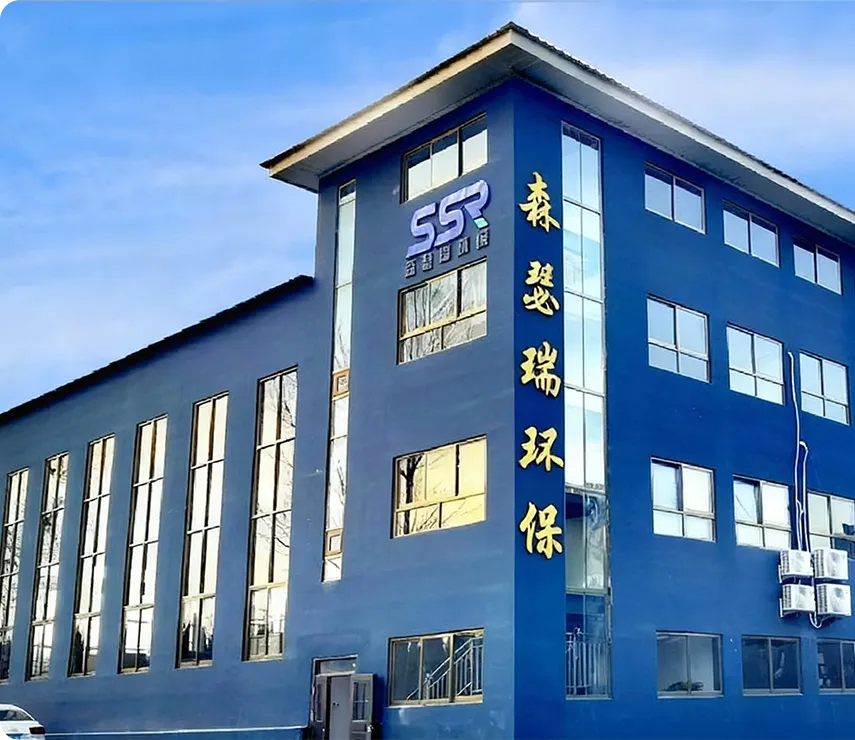
Before ordering dust control equipment, prepare clear information. This helps the supplier design an accurate and cost-effective solution.
Recommended checklist:
A clear checklist helps Senserui China recommend the right dust control method, mainframe size, filter type, airflow, and monitoring design.
Dust control is not only about removing visible dust. It is about protecting workers, machines, production quality, environmental compliance, and long-term operating cost. A dust control mainframe can become the core of that strategy.
Dust suppression can help in wet-tolerant areas. Dust collection systems can control airborne dust in dry industrial processes. Monitoring, filtration, safety protection, and modular system design make dust control more stable and easier to manage.
Senserui China helps global industrial customers build effective dust control and VOCs treatment systems. If your factory, engineering project, or distribution business needs a reliable dust control mainframe, Senserui can support the project from technical discussion to customized equipment supply and remote service.
A dust control mainframe is the central equipment unit in a dust control system. It may include filtration, airflow control, filter cleaning, dust discharge, monitoring, and safety functions. It helps control dust from industrial production processes.
It uses suction and airflow to capture dust near the source. The dusty air enters the mainframe, where filters or separation devices remove dust particles. Clean air then exits the system, and collected dust is discharged safely.
Dust suppression is better when water or mist can be used safely, such as outdoor material handling or some construction site applications. Dust collection is better for indoor factories, dry processes, fine dust, combustible dust, and processes that need clean air.
Combustible dust can ignite or explode when fine dust becomes airborne and meets a spark, flame, hot surface, or static discharge. Dust control systems handling combustible dust may need explosion protection, spark detection, and safe discharge design.
Yes. Senserui China specializes in industrial dust collection and VOCs treatment. For workshops with both dust and VOCs, Senserui can design combined air pollution control solutions, including pre-filtration, dust collection, VOCs treatment, monitoring, and modular system integration.