For a faster response, please include your WhatsApp or Skype in your message so we can contact you as soon as possible.
To help us respond faster, please leave your WhatsApp, email, or project details. We usually reply within 24 hours. For urgent inquiries,contact us on WhatsApp: +8617862411260 or WeChat: +8617862411260. call us directly.
Industrial dust is not just “dirt.” When a bin fills too fast, leaks, or blocks the production line, it can create safety risks, extra labor, and poor waste management. The MS Series helps factories collect, store, and handle dust waste in a cleaner, safer, and more organized way.
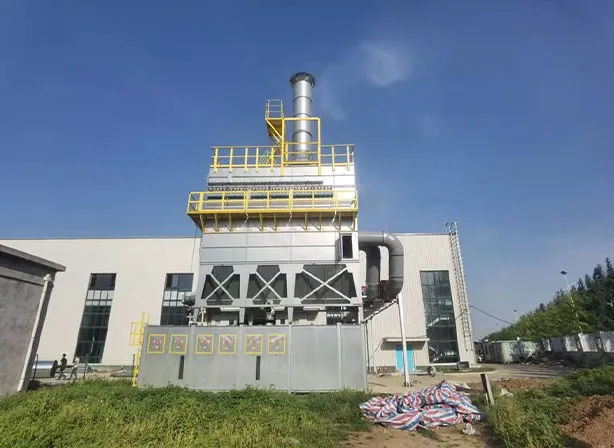
The MS Series Integrated Dust Bin System is an industrial bin system designed for dust collection projects, centralized waste handling, and factory waste management. It helps collect dust material from production processes, reduce manual waste disposal work, support cleaner workshops, and improve the monitoring and management of dust bin waste in industrial facilities.
The MS Series Integrated Dust Bin System is designed for industrial dust collection systems that need stable dust storage and cleaner waste handling. In simple terms, it works as the “receiving and storage” part of a dust collection project. Dust enters the system, collects inside the bin, and waits for planned removal or further waste disposal.
Unlike a household waste bin, recycling bin, trash bin, or general garbage bin, this system is made for factories. It is used with dust collectors, ductwork, fans, valves, and control systems. The goal is not only to hold waste material. The goal is to help the whole waste management process become safer, cleaner, and easier to control.
For industrial plants, the bin is often the last step before waste collection. If this part fails, the whole dust collection system can suffer. A blocked bin may reduce airflow. A leaking bin may release dust back into the workshop. A poorly designed bin may increase labor and cleaning time. That is why the MS Series focuses on integrated design and practical waste handling.
Global waste pressure is increasing. The World Bank reported that the world generated about 2.01 billion tonnes of municipal solid waste and projected this could reach 3.40 billion tonnes by 2050. UNEP’s 2024 outlook also warns that municipal solid waste generation may rise from 2.1 billion tonnes in 2023 to 3.8 billion tonnes by 2050. These figures focus on municipal waste, but they show a clear trend: waste generation is growing, and better waste management strategies are becoming more important.
Industrial factories face a similar challenge in their own way. They may not handle household waste or kitchen waste, but they often produce dust, powder, chips, fumes, and other waste material from cutting, grinding, sanding, polishing, mixing, coating, and processing lines.
A better bin system helps factories:
A factory may already have a dust collector. But without the right dust bin, the waste system is incomplete. The bin decides how cleanly and safely the collected dust moves from the air filtration process into storage and disposal.
A poor waste bin may look cheap at first. But in daily operation, it can become expensive.
When the bin is too small, the factory needs frequent waste collection. When the bin is not sealed well, dust may escape. When the discharge design is weak, dust may bridge, clog, or pile up unevenly. When the bin is not matched with the dust collector, the whole collection system can lose efficiency.
Common problems include:
In a factory, efficient waste management is not only about throwing waste away. It is about controlling the full path of the material: from dust generation, to capture, to filtration, to bin storage, to final waste disposal.
A simple rule we use in industrial system design is this: if the bin is ignored, the whole dust collection project is unfinished.
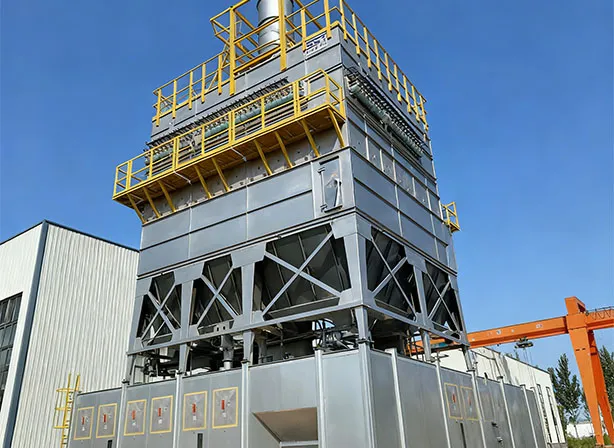
A complete industrial waste management system includes more than one machine. It often starts from the dust source and ends with collected dust leaving the factory in a controlled way.
A typical process may look like this:
Dust Generation
↓
Dust Capture Hood
↓
Ductwork and Valves
↓
Dust Collector Mainframe
↓
MS Series Integrated Dust Bin
↓
Waste Collection / Disposal / Recycling
This flow shows why the bin system matters. The bin is not just a container. It is part of the process of managing waste.
The EPA’s waste management hierarchy places source reduction, reuse, recycling, energy recovery, treatment, and disposal in order of environmental preference. For industrial buyers, this supports a practical idea: factories should reduce waste where possible, collect waste cleanly when it is created, and handle it in a controlled way afterward.
In some projects, collected dust may be general waste. In others, it may need separate handling as industrial waste, hazardous waste, or recyclable waste. The MS Series helps create a cleaner storage point before the next step.
Yes. A bin system can improve efficiency when it reduces blockage, leakage, and manual handling. It may not replace the dust collector, but it supports the collector by helping dust move smoothly into storage.
Think of the dust collector as the lungs of the system. The bin is the stomach. If the stomach is blocked, the whole body feels the pressure.
A good industrial bin system can help improve:
For factories with high waste generation, a small waste bin may create constant interruption. For factories with fine dust, poor sealing may cause dust to return to the workshop. For factories with changing production lines, a modular bin system can support future adjustment.
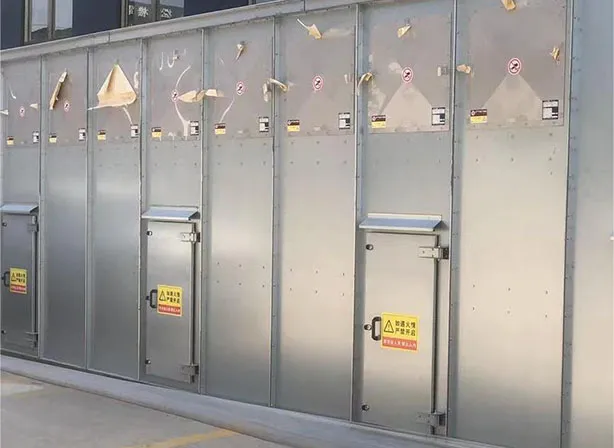
Senserui China is an industrial environmental equipment manufacturer focused on industrial dust collection systems and VOCs treatment solutions. The company serves medium- to large-scale manufacturers, engineering contractors, system integrators, distributors, and importers in global markets.
For overseas B2B buyers, the value is not only the equipment. It is also the engineering support behind the equipment.
Senserui China can support projects involving:
For many buyers, the real goal is efficient waste management, stable production, and easier environmental compliance. A well-designed bin waste solution can help factories reduce dust exposure, manage waste more clearly, and build a cleaner production site.
The term smart waste management is often used for smart cities, smart garbage bins, and IoT based waste management. These systems may use sensors to monitor the level of the waste, predict waste collection time, and optimize waste routes in urban areas.
Industrial smart waste management is different. It focuses more on production safety, equipment status, dust level, maintenance planning, and system stability.
A smart waste management system in an industrial plant may include:
When needed, a monitoring system for waste management can help operators see problems earlier. For example, if dust fills faster than expected, this may show a change in production output or dust collector performance. If the discharge area blocks often, it may show that the dust material needs a different bin design.
Smart does not always mean complex. In many factories, smart means clear, visible, and easy to act on.
An integrated dust bin system is an industrial bin system used with dust collection equipment. It collects and stores dust after filtration, helping factories manage waste more safely and cleanly.
No. A household waste bin, recycling bin, trash bin, or garbage bin is used for domestic waste, kitchen waste, or municipal solid waste. The MS Series is designed for industrial dust and factory waste handling.
Yes, it can support smart waste management ideas when combined with monitoring devices, control modules, and system-level design. For industrial use, smart management usually focuses on dust level, equipment status, safety alarms, and maintenance planning.
Woodworking, metal fabrication, welding, plastics, food processing, chemical production, building materials, and new energy factories may need an industrial dust bin system if they produce dust or powder waste.
You should check the amount of waste generated, dust type, operating hours, dust collector capacity, emptying method, and workshop layout. Senserui China can help match the bin system with the full dust collection project.
Not every dust bin needs the same protection. The need depends on dust type, combustibility, dust concentration, ignition risk, and local safety standards. Factories handling combustible dust should complete proper risk assessment and choose suitable protection measures.